


Idea
BGSW operates in two cities: Słupsk and the seaside town of Ustka.
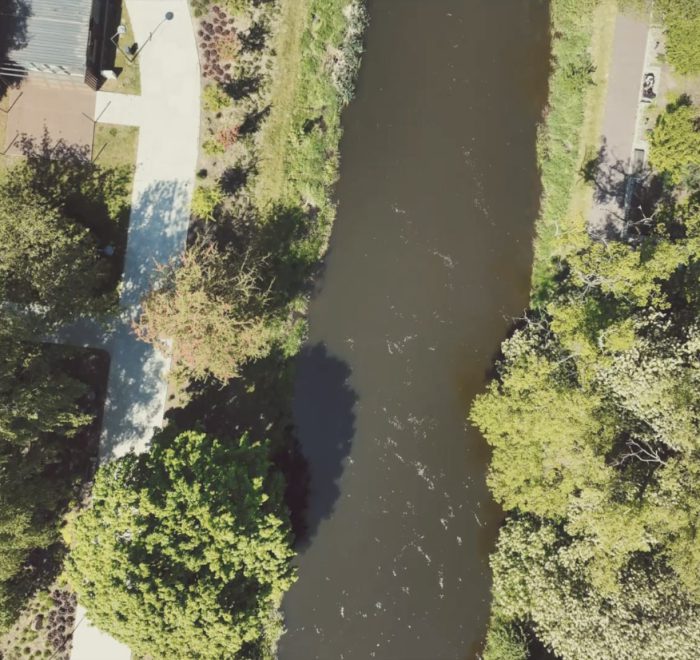
They are connected by the Słupia River, whose nature is far from obvious: it flows through a coastal region, yet its current is mountainous. Near Słupsk, the river begins to meander, forming wetlands. At the latitude of both cities, the Baltic Sea bed rises. On this elevation lies a stone reef and an underwater garden.
This complex environment shapes the character of BGSW: an institution that listens attentively to the space in which it is embedded and draws inspiration from its non-obvious nature.Diversity and multiplicity form the basis of our shared thinking and collaboration—approaches that transcend simple oppositions and resist drawing boundaries or dividing the world into center and periphery. We practice an institution that mediates and remains open.
The exhibition program intertwines with activities grounded in grassroots practices. At times, we transform our galleries into neighborhood spaces, open to numerous communities. We strive to be a multilingual institution, reaching also our Belarusian, Ukrainian, and South American audiencesIt is on the basis of relationships with our near and distant neighbors that we build our program.
We run three open studios—ceramics, photography, and screen printing. Thanks to their active programming, we maintain constant contact with our audiences.
We express openness and hospitality also through our residency system. At the BGSW in Ustka we host residencies for artists, curators, writers, and we also offer respite residencies.Sharing is what binds us together!
Locations
BGSW / Podgrodzie
ul. Partyzantów 31 a, Słupsk
The main headquarters of the Baltic Gallery of Contemporary Art on Partyzantów Street (formerly Blumenstrasse) connects our interest in locality with the processes occurring in the immediate surroundings. The early 20th-century building originally served economic functions. The half-timbered façade adjoins a villa designed by the landowner Walter Schulz, a decorator and creator of hand-painted wallpapers.
Opening hours:
Tue: 11:00–19:00
Wed–Sun: 10:00–18:00
Contact:
tel. +48 59 842 56 74
BGSW / Baszta
ul. Partyzantów 31 a, Słupsk
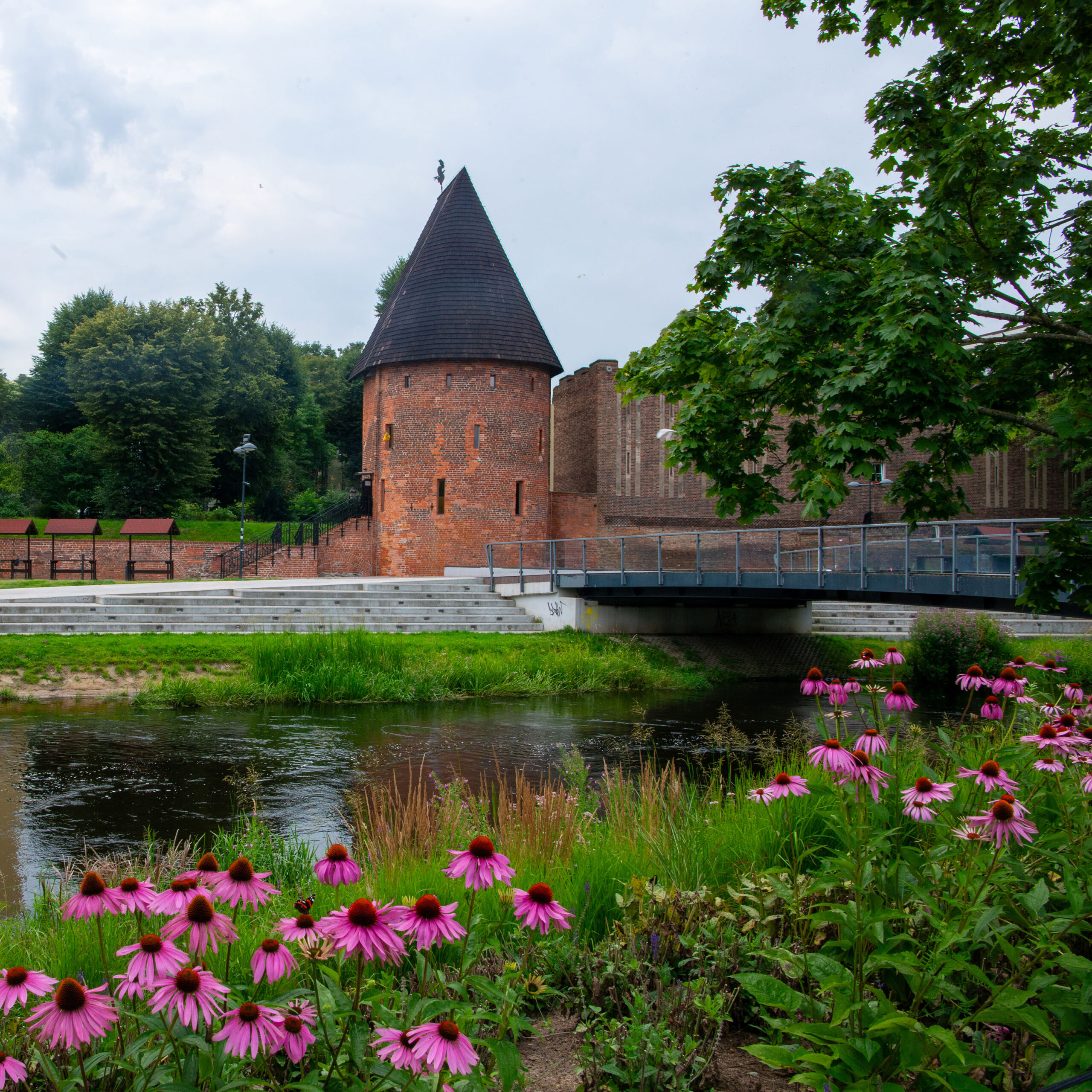
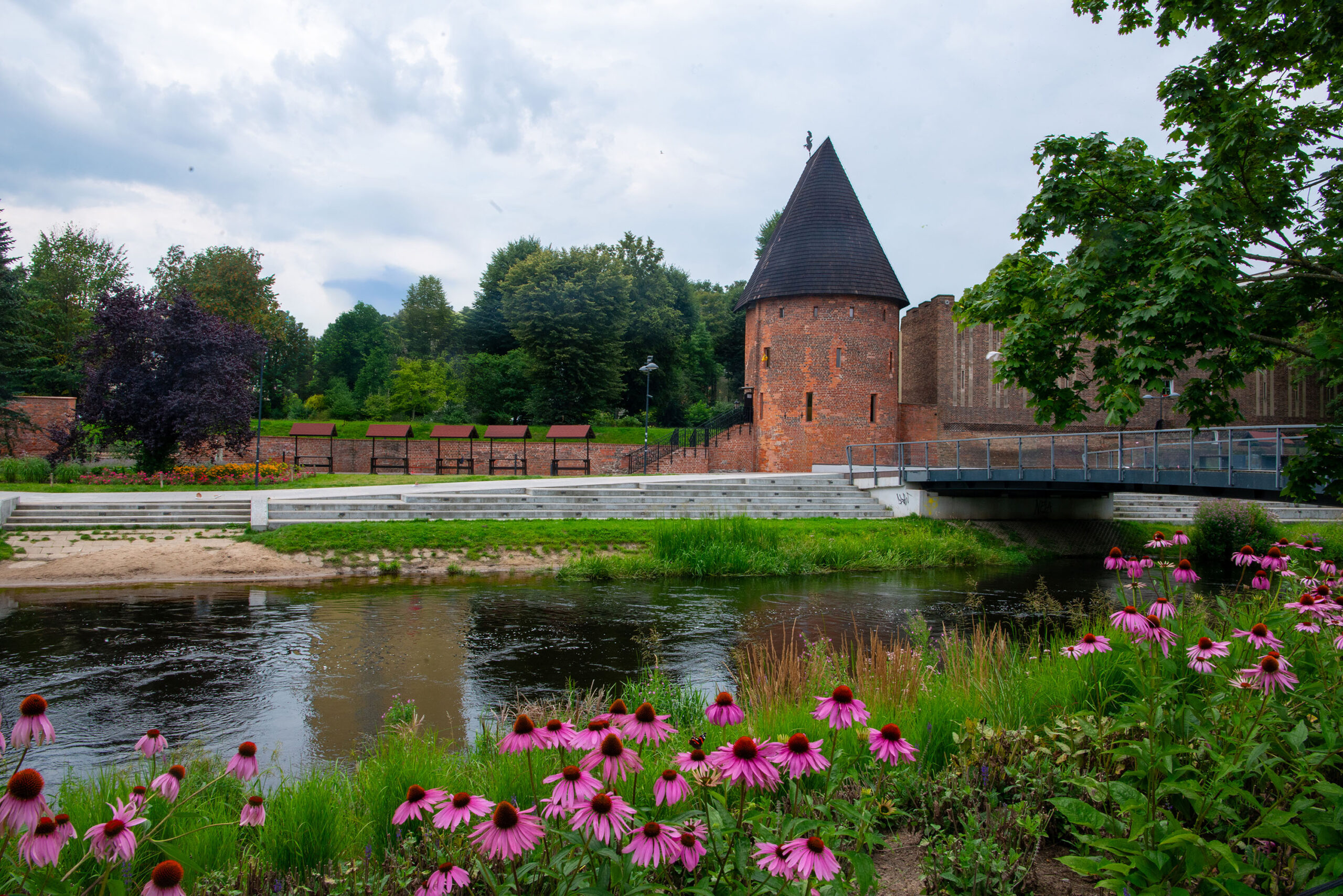
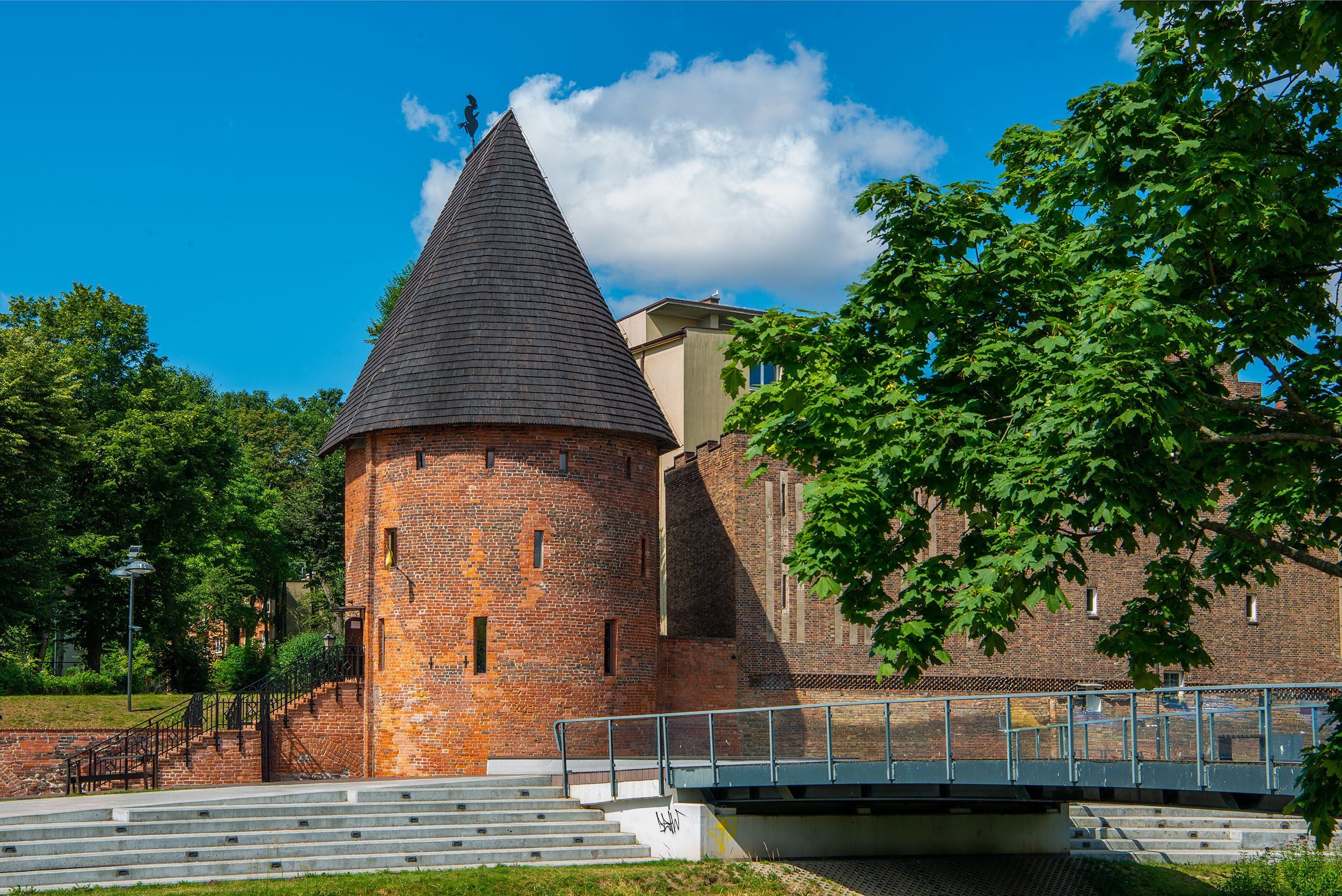
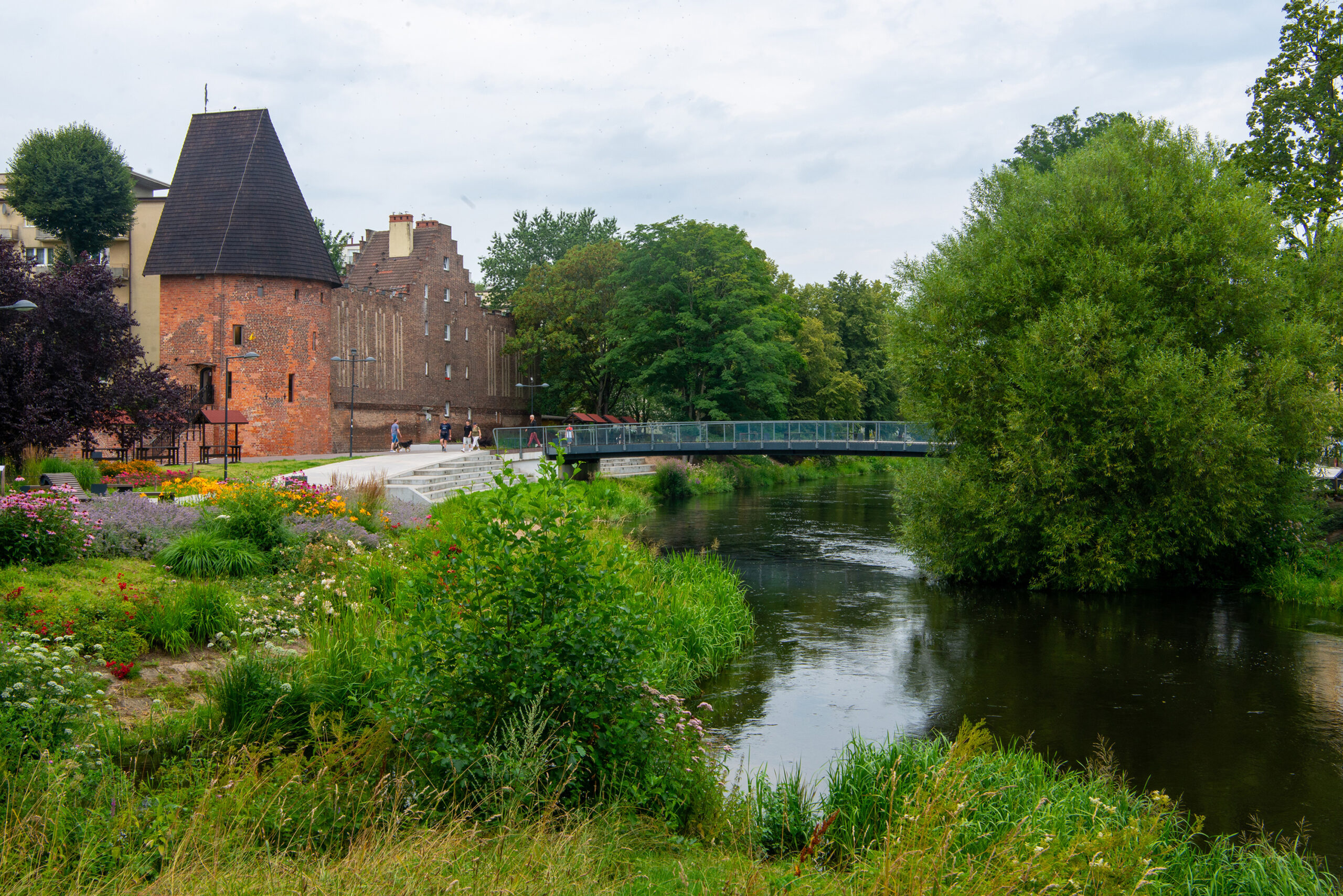
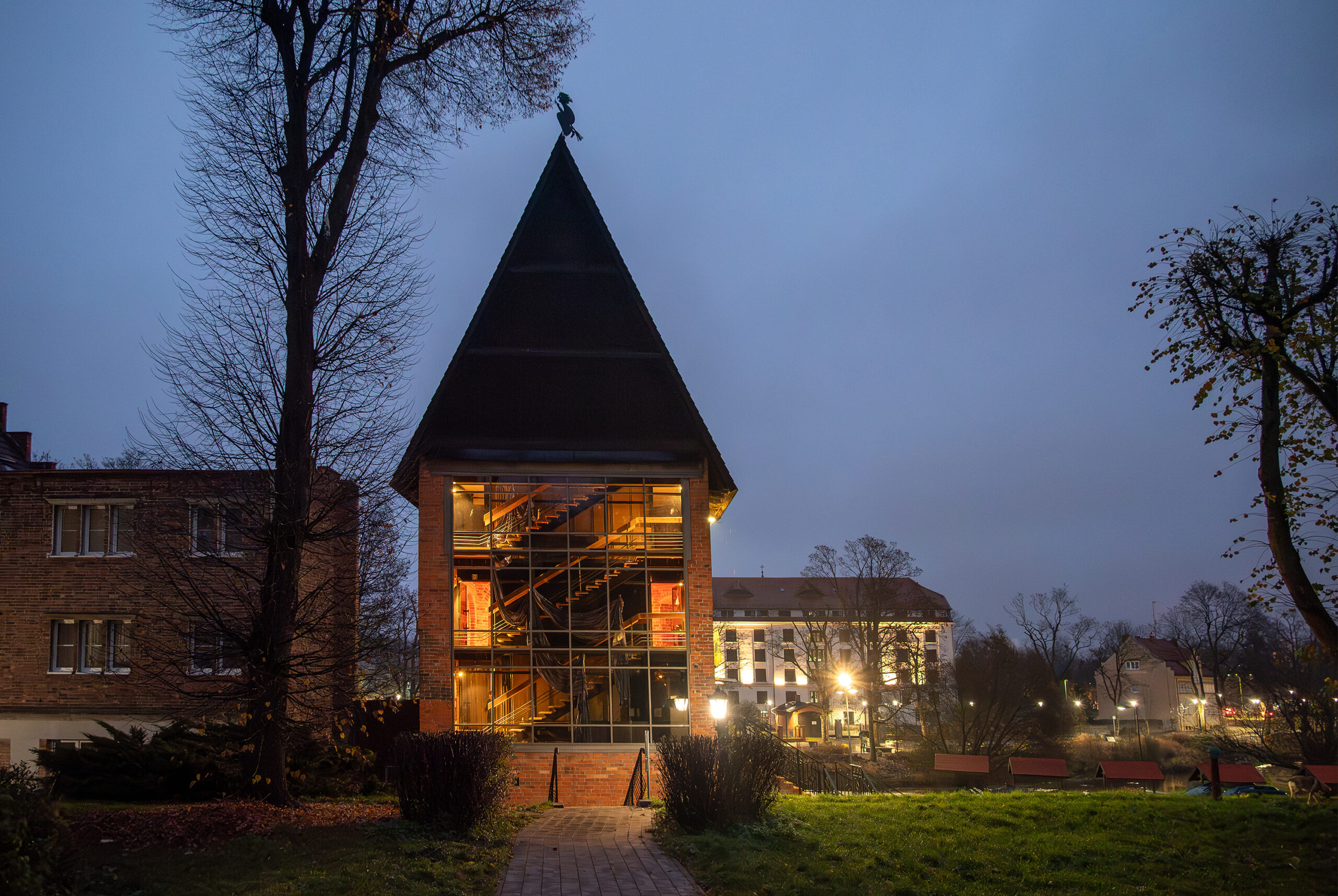
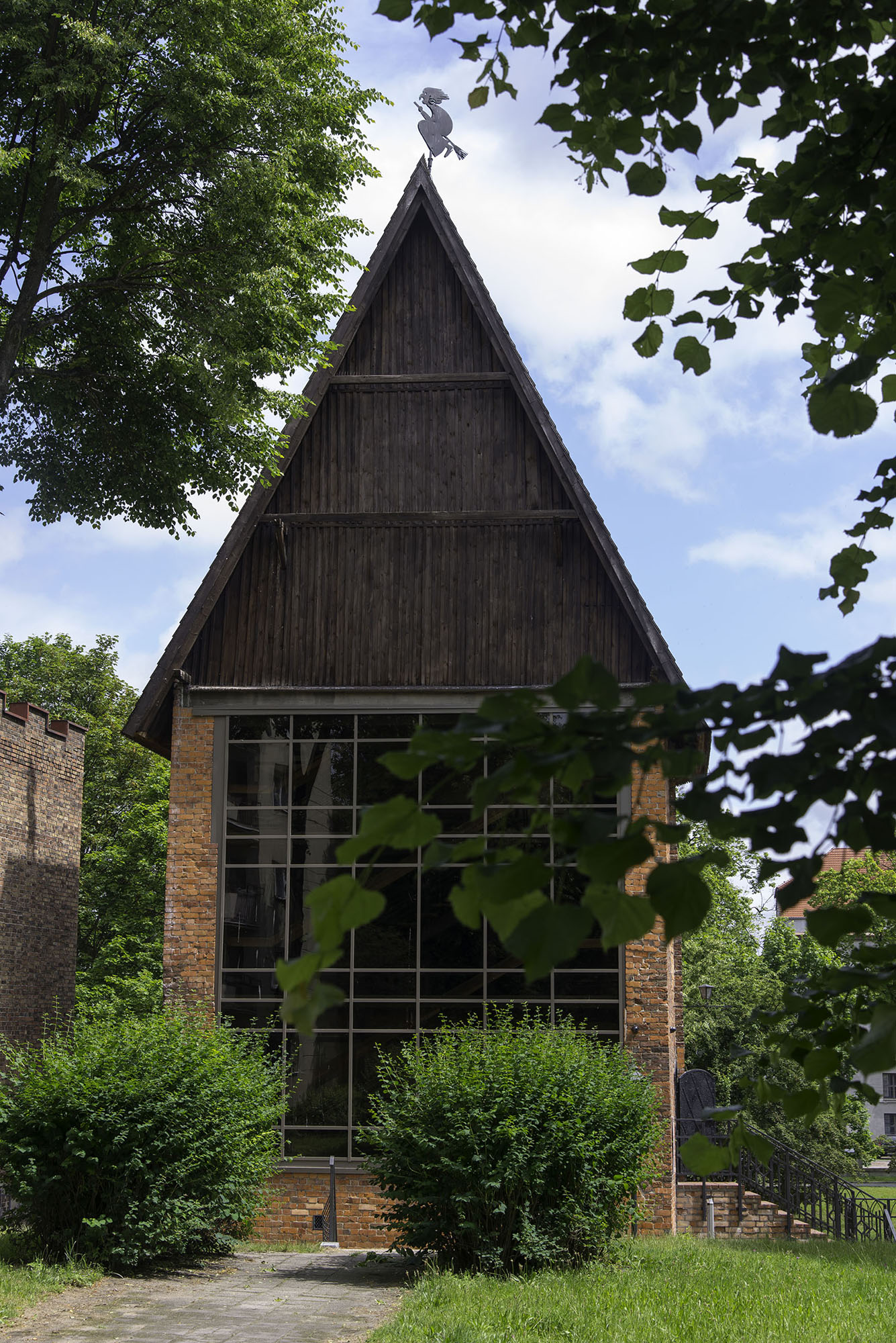
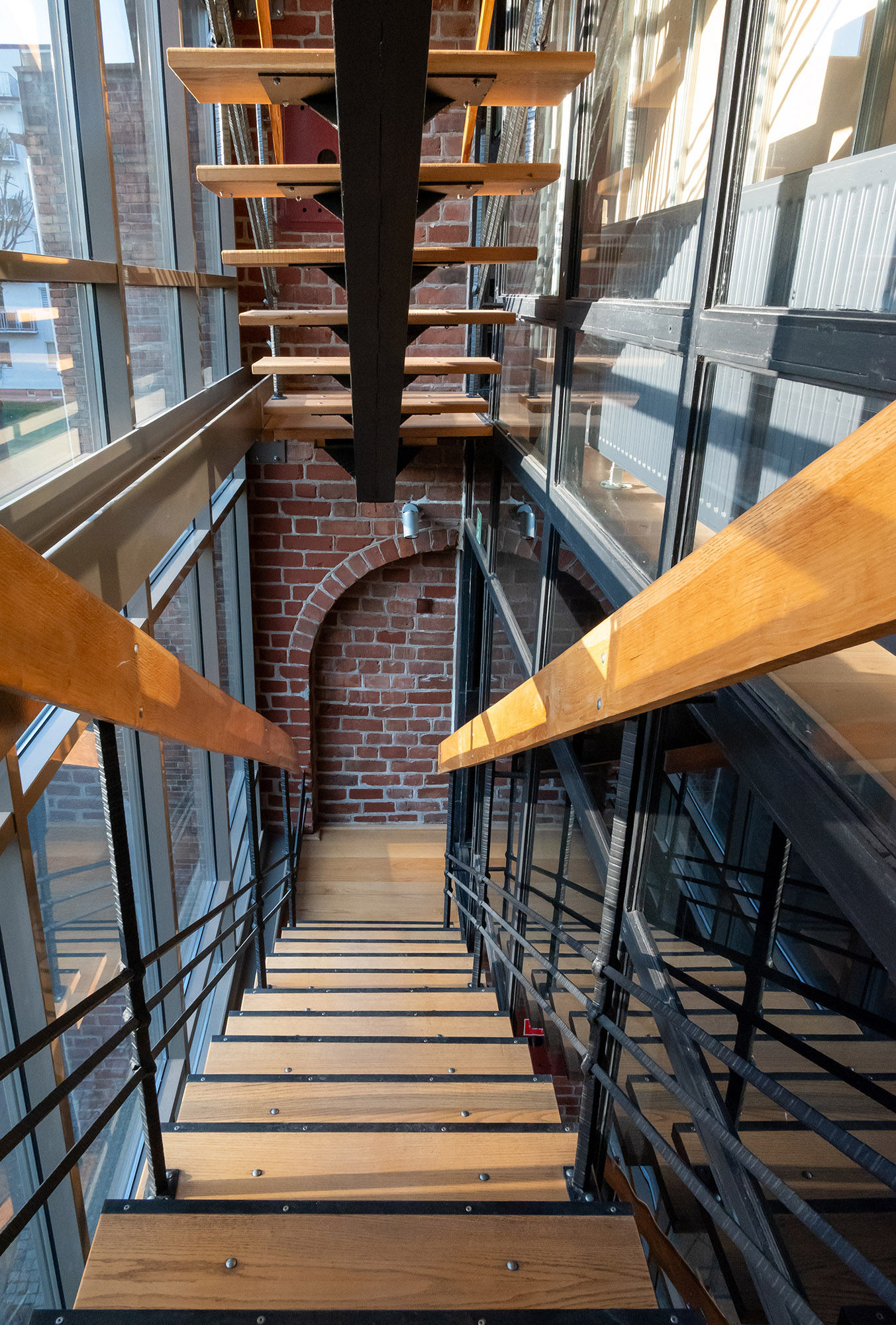
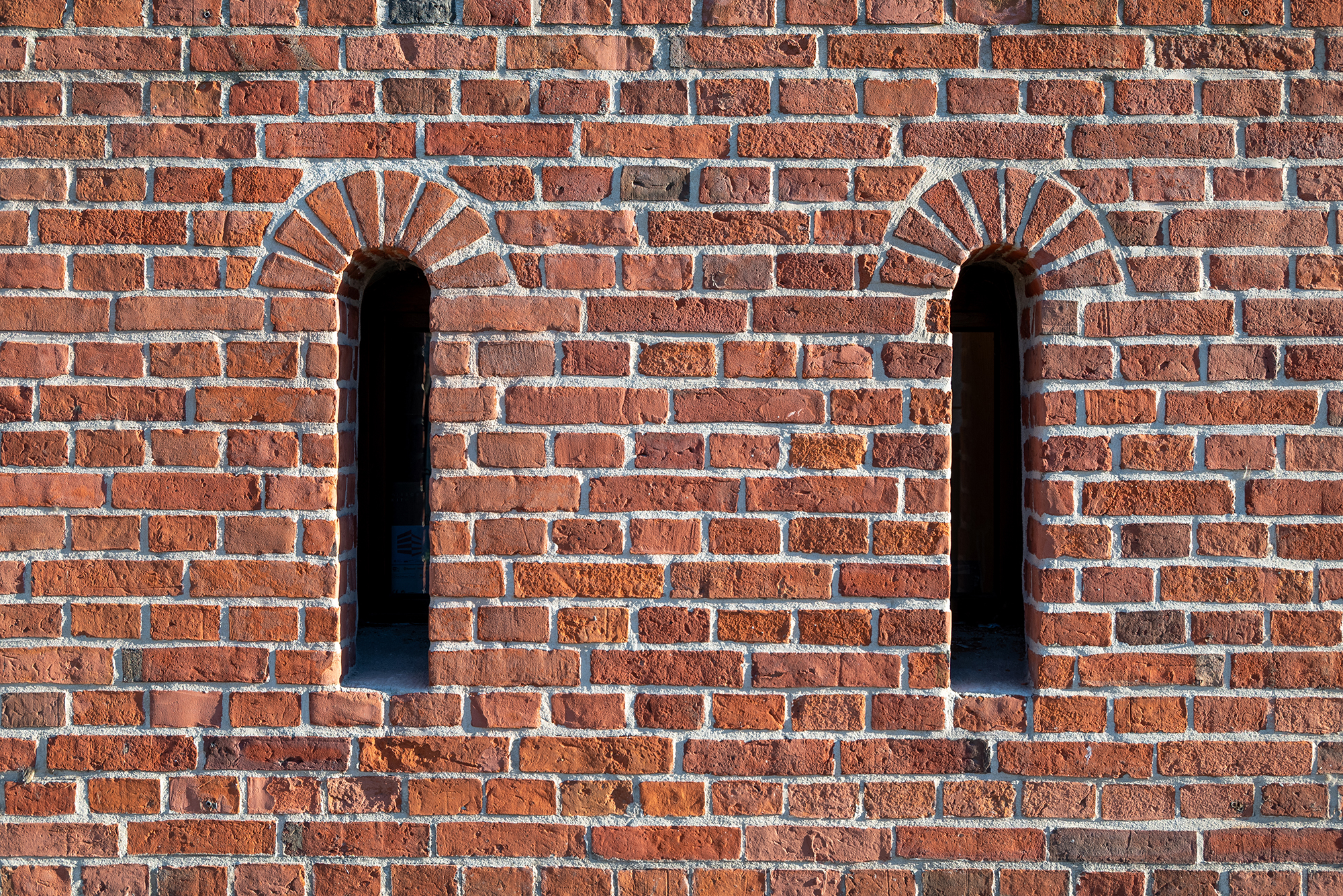
Its architecture and surroundings create a unique context for exhibitions. “Baszta” is also a space for meetings and performative events. The building is part of the medieval defensive walls encircling the old town from the east. Its brick form resembles an elongated cylinder, cut lengthwise. The characteristic glazing on the western side was added in the mid-1970s, during postwar reconstruction, signaling the new function of the space—the first exhibition venue of BGSW (formerly BWA). The architectural adaptation is designed by Jędrzej Alkiewicz.
Opening hours:
Tue: 11:00–19:00
Wed–Sun: 10:00–18:00
Contact:
tel. +48 59 841 26 21
BGSW / Ustka
ul. Gen. Zaruskiego 1 a, Ustka
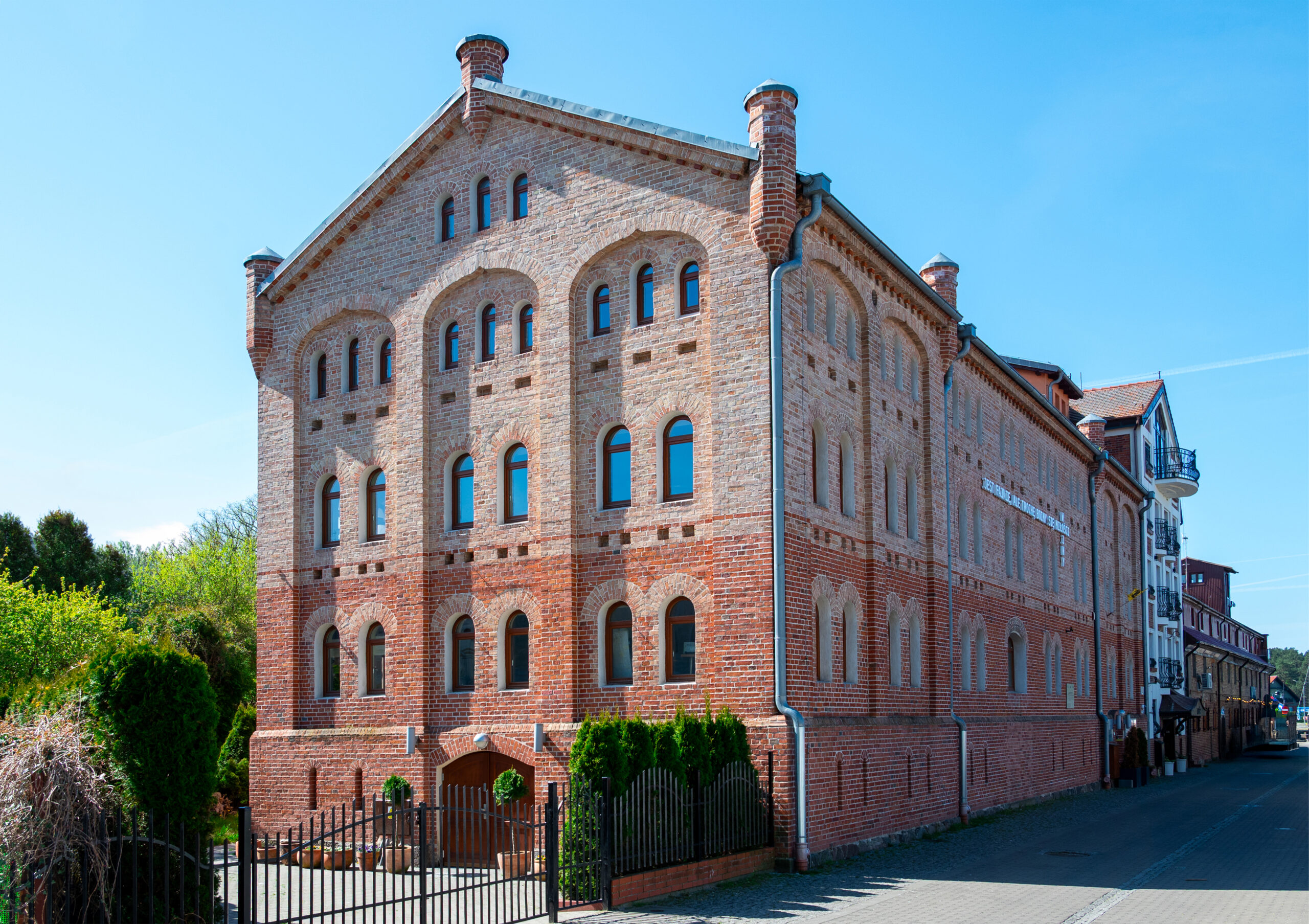
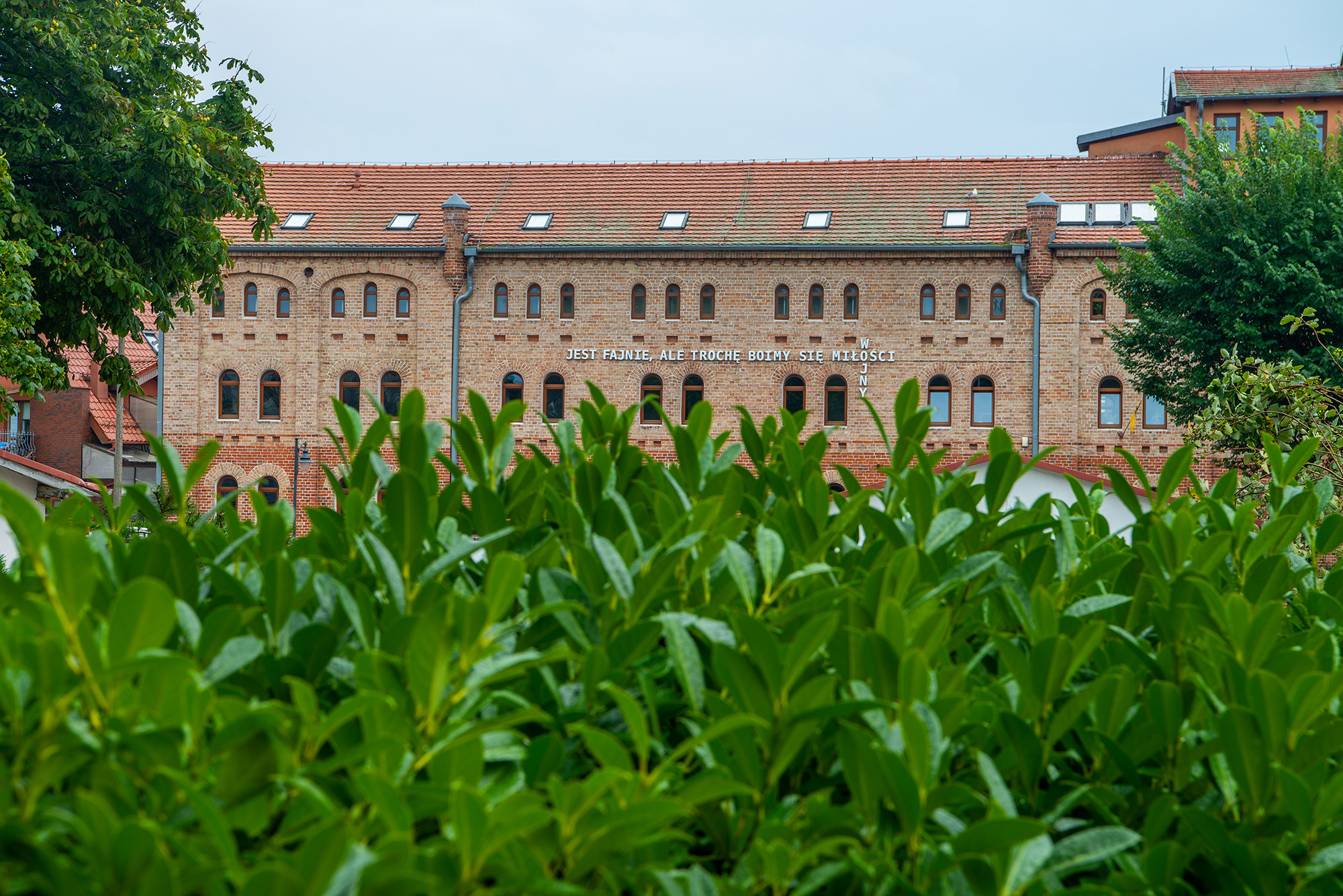
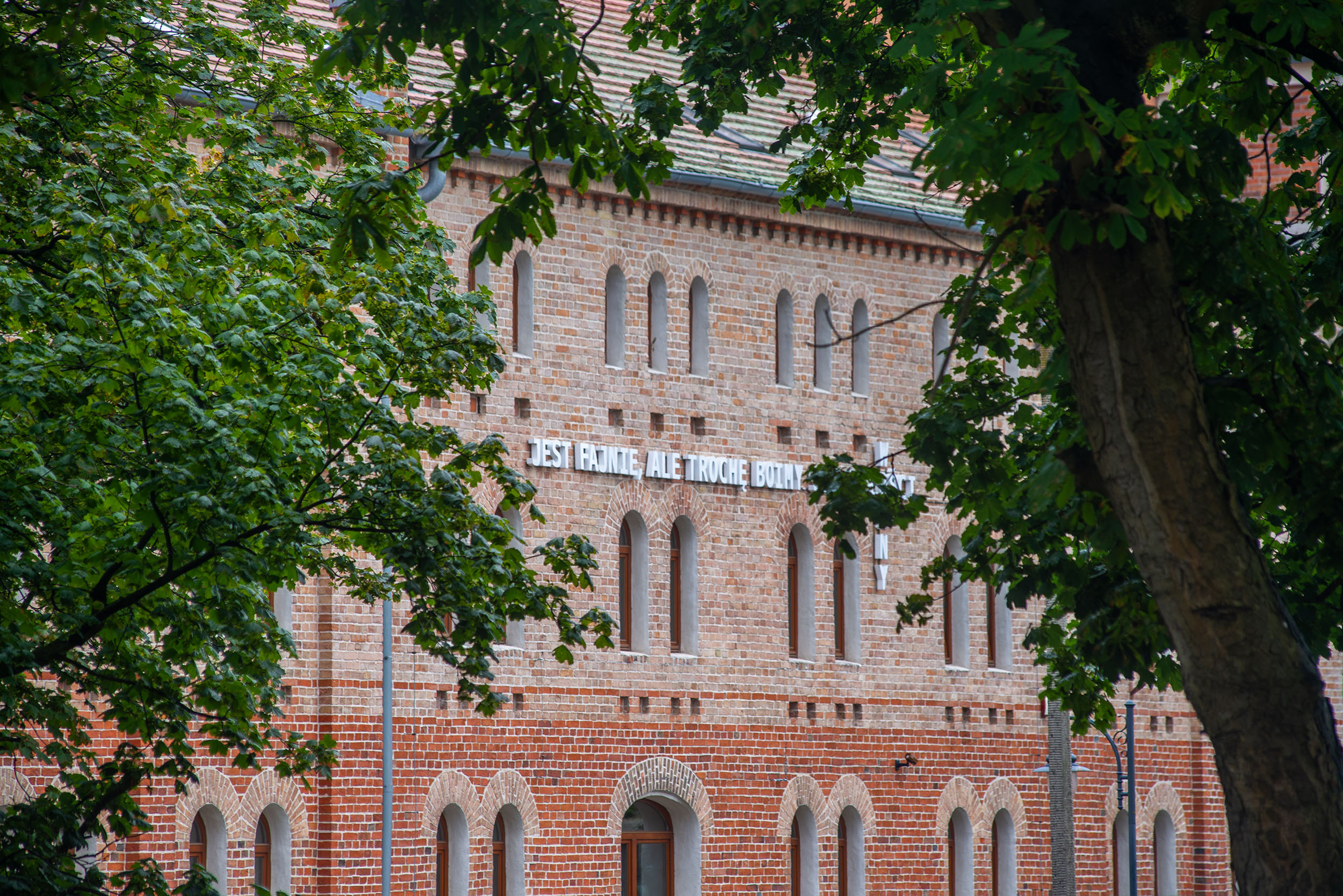
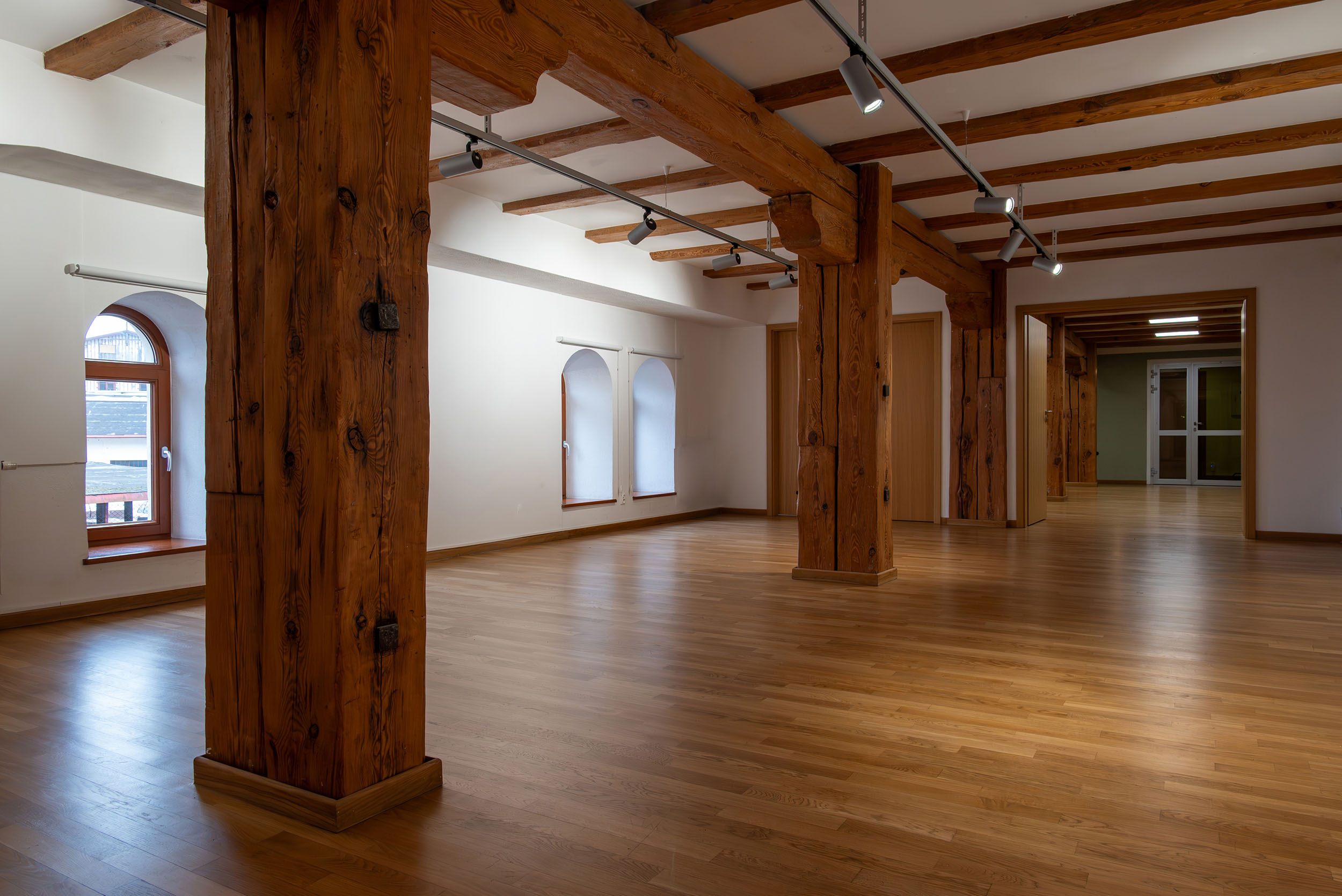
The “Centrum Aktywności Twórczej” is located in one of the oldest port granaries, historically used for storing grain that was later transported by sailing ships and steamers. It houses the largest of BGSW’s three exhibition spaces. Here we run the artistic residency program, organize meetings with artists, events, and workshops. In the warmer months we invite visitors to the garden, which becomes an active space for leisure and social gathering.
Opening hours:
Tue: 11:00–19:00
Wed–Sun: 10:00–18:00
Contact:
tel. +48 59 814 52 95
Team
Agnieszka Kilian
Director of BGSW
[email protected]
Agnieszka Wysocka
Coordinator, BGSW Ustka(CAT)
[email protected]
Ewelina Kisiel
Secretariat
[email protected]
Aleksandra Wiśniewska
Exhibition Guide / Gallery Attendant
[email protected]
Agnieszka Puzdrowska
accounting and HR specialist
[email protected]
Inspektor Danych Osobowych (IOPD)
[email protected]
Katarzyna Piątkowska
Specialist for Digital Communication and Promotion
[email protected]
Krzysztof Bojarski
Chief Accountant
[email protected]
Krzysztof Tomasik
Specialist in Artistic Education, Photography & Video Studio
[email protected]
Magdalena Karpiniec
Exhibition and Audience Coordinator
[email protected]
Małgorzata Różańska
Specialist in Artistic Education and Promotion
[email protected]
Marcin Sych
Technical Specialist / Exhibition Installation
[email protected]
Michał Żesławski
Specialist in Artistic Education, Sculpture & Ceramics Studio
[email protected]
Rafał Jeka
Technical & Investment Specialist
[email protected]
Romuald Demidenko
Curator
[email protected]
Sylwia Starkowska
Specialist in Artistic Education, Screen Printing Studio
[email protected]
Tomek Pawłowski-Jarmołajew
Curator of the Residency Program
[email protected]
Program Council
Beata Jaworowska
Beata Jaworowska – Deputy Director at the Department of Culture of the Marshal’s Office of the Pomeranian Voivodeship, associated with the regional government since its inception. She works with cultural institutions, artistic unions and associations, cultural organizations, and international partners in the field of culture. A graduate of film studies at the University of Łódź and of the MBA program at the Gdańsk School of Banking. Previously affiliated, among others, with the Baltic Sea Cultural Centre (Deputy Director 1993–1997). At the University of Gdańsk she teaches courses on managing artistic institutions. She is a member of advisory boards, including those of the Gdańsk Shakespeare Theatre, the Baltic Sea Cultural Centre, the National Museum in Gdańsk, and the Pomeranian Film Foundation.
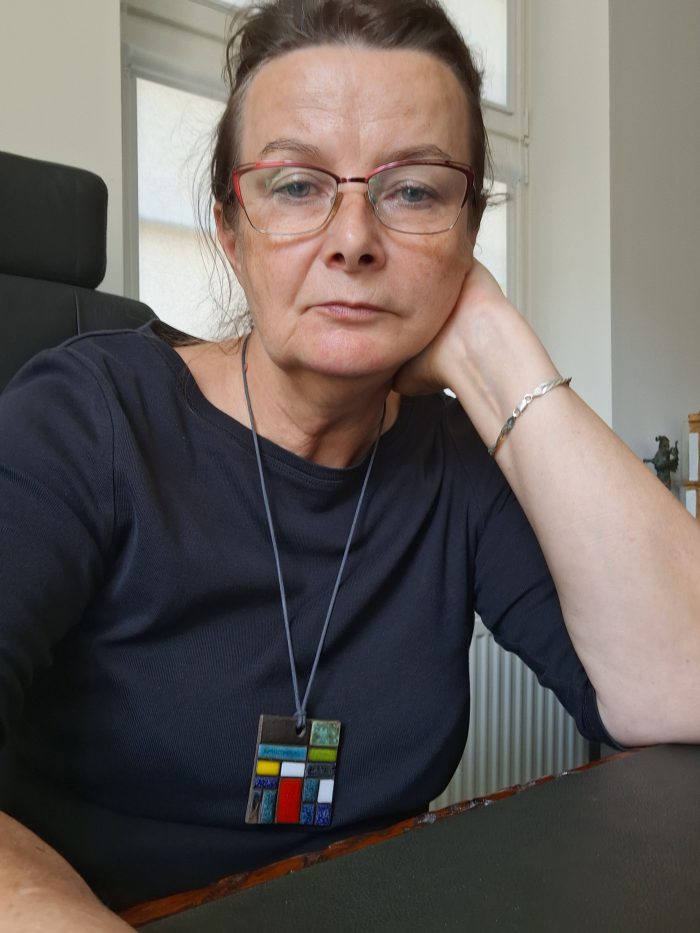
prof. dr hab. Anna Królikiewicz
Anna Królikiewicz – visual artist and educator at the Academy of Fine Arts in Gdańsk, where she runs the drawing studio. In 2018 she was awarded the title of Professor by the President of Poland. Her artistic work includes monumental drawings and installations; since 2010 her main medium has been food, as well as writing, including a regular column in USTA magazine. She has held numerous solo exhibitions and participated in group exhibitions in Poland and abroad. For her artistic and pedagogical work she has received many awards, including the 2019 Medal of Merit for Polish Culture. Her work explores the relationship between art and food, which resulted in the co-authorship of the scholarly monograph Międzyjęzyk. Her works have been exhibited internationally, including at Kesif Gallery in Ankara, MNG Nomus in Gdańsk, and the POLIN Museum of the History of Polish Jews in Warsaw.

dr Małgorzata Lebda
Małgorzata Lebda grew up in a village in the Beskid Mountains. She is the author of seven books of poetry, including the award-winning volumes Matecznik and Sny uckermärkerów (Gdynia Literary Award 2019), Mer de Glace (Wisława Szymborska Award 2022), and Dunaj. Chyłe pola, for which she received the Kościelski Award in 2025. Her books have been translated into Czech, Italian, Serbian, Ukrainian, Slovene, Danish, and Romanian. She holds a doctorate in the humanities and audiovisual arts. She is an essayist, cultural animator, editor, scholar, and lecturer at the Jagiellonian University in Kraków. She is also an ultramarathon runner—in September 2021 she ran 1,113 kilometers along the Vistula River as part of the activist-poetic project “Czytanie wody”. Her 2023 novel Łakome is her prose debut; a film adaptation is in progress. The book won the Empik Discovery Award, the Literary Award of Wielkopolska Readers, and was shortlisted for the Angelus Central European Literary Award, the Nike Literary Award, and the Conrad Award.
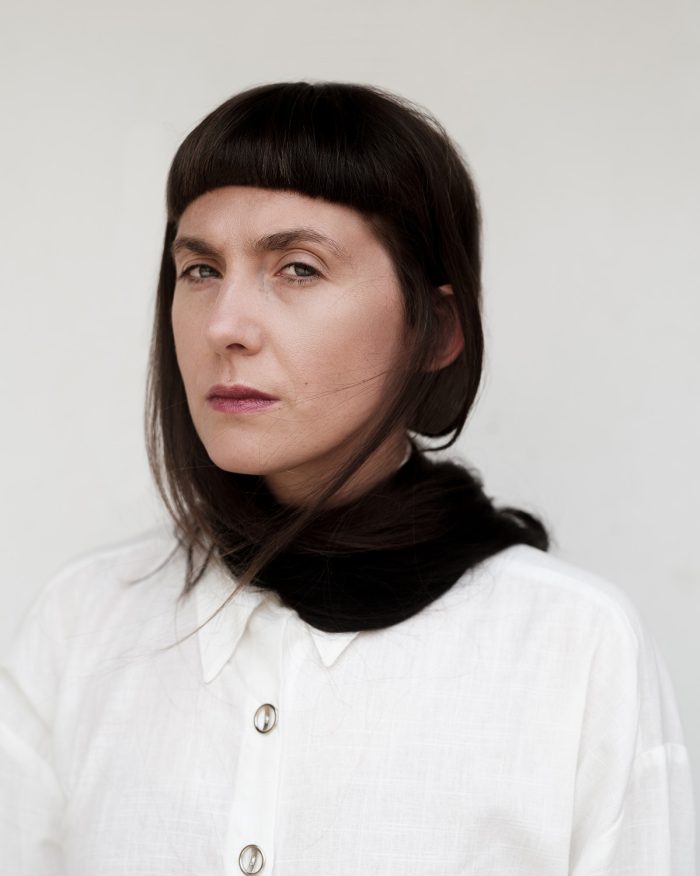
Joanna Rajkowska
Joanna Rajkowska – visual artist. Winner of numerous awards, including the 2007 Polityka Passport and the 2010 Great Culture Foundation Award. She studied painting at the Academy of Fine Arts in Kraków under Professor Jerzy Nowosielski and art history at the Jagiellonian University. She also studied at SUNY in New York. Rajkowska is best known for her public projects such as Pozdrowienia z Alej Jerozolimskich (the palm tree at Rondo de Gaulle’a in Warsaw), Pasaż Róży in Łódź, and Dotleniacz at Grzybowski Square in Warsaw. In her practice she often uses diverse elements—plants, architecture, geology, sound—creating ecosystem-like works that live and age in public space. Her work engages with the life cycles of matter, deep time, and the erosion of human memory, as in the project Morze Cechsztyńskie realized in Gdańsk at St. John’s Church. Her works have been presented at the Berlin Biennale, Frieze Sculpture in London, the Museum of Modern Art in Warsaw, Zachęta – National Gallery of Art, the Ujazdowski Castle Centre for Contemporary Art, and KW Institute for Contemporary Art in Berlin.
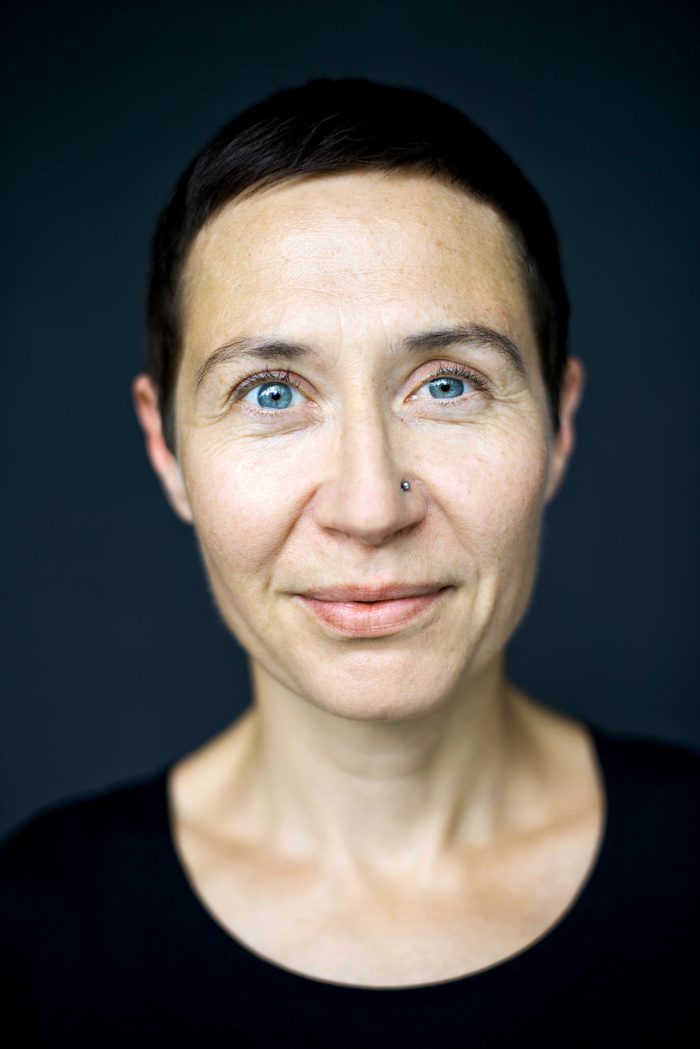
dr Marianna Szczygielska
Marianna Szczygielska – scholar and popularizer of the history of science and its social and cultural dimensions. A graduate of Central European University in Budapest and Adam Mickiewicz University in Poznań. Author of a doctoral dissertation on zoological gardens. In addition to environmental humanities, she works on ecology and feminist science and technology studies. She is currently employed at the Institute of Ethnography of the Czech Academy of Sciences; previously she was affiliated with the prestigious Max Planck Institute for the History of Science in Berlin. She is known for lectures that connect scientific topics with wider public debates, such as “From Ivory to Plastic: An Unnatural History of Materials”. She collaborates with visual artists on interdisciplinary projects and with natural history museums in Wrocław and Kraków, the Museum of Art in Łódź, the National Gallery in Prague, Haus der Kulturen der Welt in Berlin, and the Victoria and Albert Museum in London. Author of numerous publications and a member of the editorial board of Humanimalia Journal.
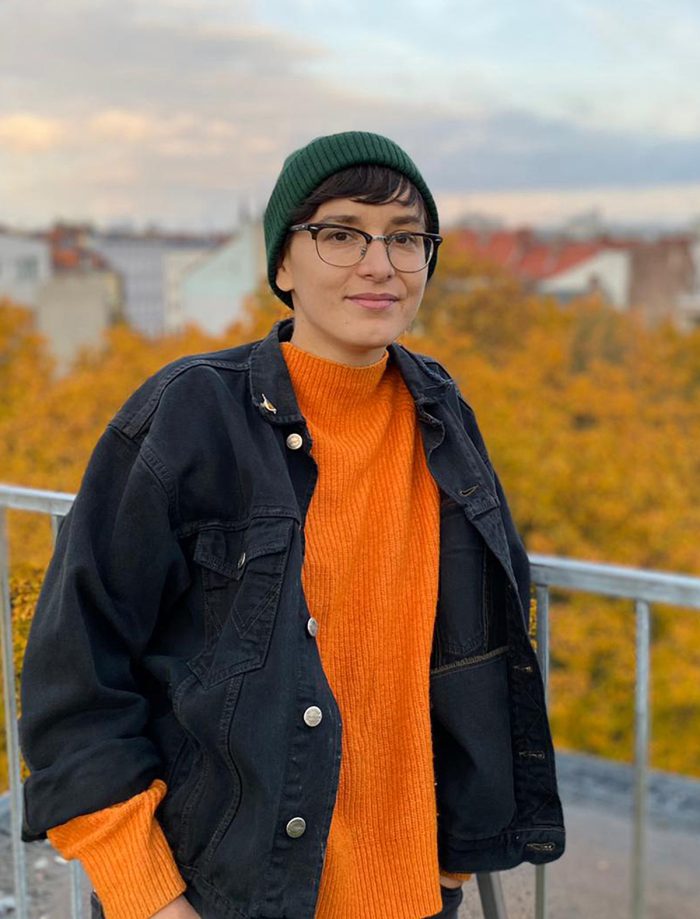
Katarzyna Tomasiak
Katarzyna Tomasiak – graduate of artistic disciplines. An artist from Słupsk, educator, teacher of art subjects, ceramics instructor, and lecturer at the Pomeranian University. She works in the visual arts and collaborates on artistic actions and cultural education. A distinctive, engaged personality and a hardworking creator. She has realized many group and individual projects. She enjoys inspiring and supporting others in creative work. Author of numerous murals in Słupsk. Originator and organizer of a project promoting poetry on sidewalks. Creator of the “Alchemia Daru” project, for which she received a cultural grant. Three-time recipient of the Mayor of Słupsk’s Award for outstanding achievements in art education. Winner and honoree of two editions of the International Competition “Witkacy pod Strzechy”. Finalist of the ninth edition of the “Nauczyciel Pomorza” competition organized by the Marshal of the Pomeranian Voivodeship. She motivates young people to participate in national and international projects, including “Tożsamość w zagrożeniu”, organized in cooperation with the Museum of Central Pomerania in Słupsk. She has co-created and participated in numerous group and solo exhibitions.
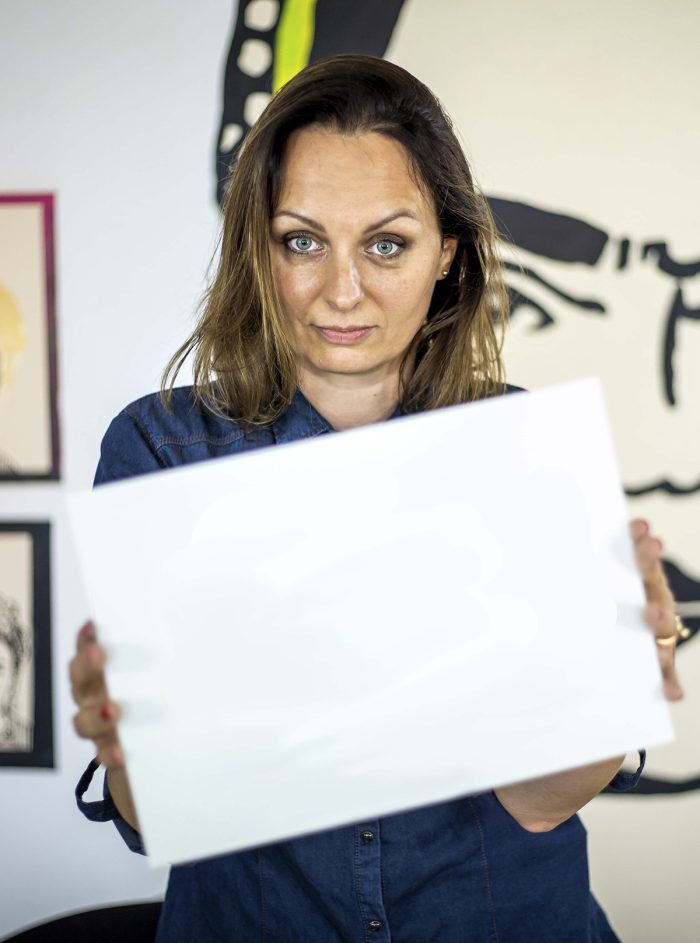
Magdalena Ujma
Magdalena Ujma – art critic and art historian, exhibition curator. In 2021–2023 she served as President of the Polish Section of AICA, and she is currently its Vice President. She studied art history at the Catholic University of Lublin and cultural management at the Ecole de commerce in Dijon. She worked at the Museum of Art in Łódź and at Bunkier Sztuki in Kraków. Since 2018 she has been affiliated with the Tadeusz Kantor Museum in Kraków, and since 2021 also with the Academy of Fine Arts in Kraków, where she is editor-in-chief of the journal Restart. She has curated dozens of exhibitions, including recent ones dedicated to Maria Stangret, Agata Kus, and Iwona Demko. She is the author of numerous essays and academic articles. Her blog “Krytyk sztuki na skraju załamania nerwowego” is a well-known source of writing on contemporary art and one of the earliest examples of institutional critique reception in Poland.