


Agata Dyczko
Agata Dyczko
sound and theatre artist, creating radio shows, radio plays, and sound installations. She co-hosts Pasmo dla Ziemi on Radio Kapitał. Her work engages with “underwater” environments, water-saturated landscapes, and strange subterranean spaces, recording and processing the sounds of fish. She also conducts workshops and research projects on passive acoustics and its role in human navigation and perception of underwater sounds.
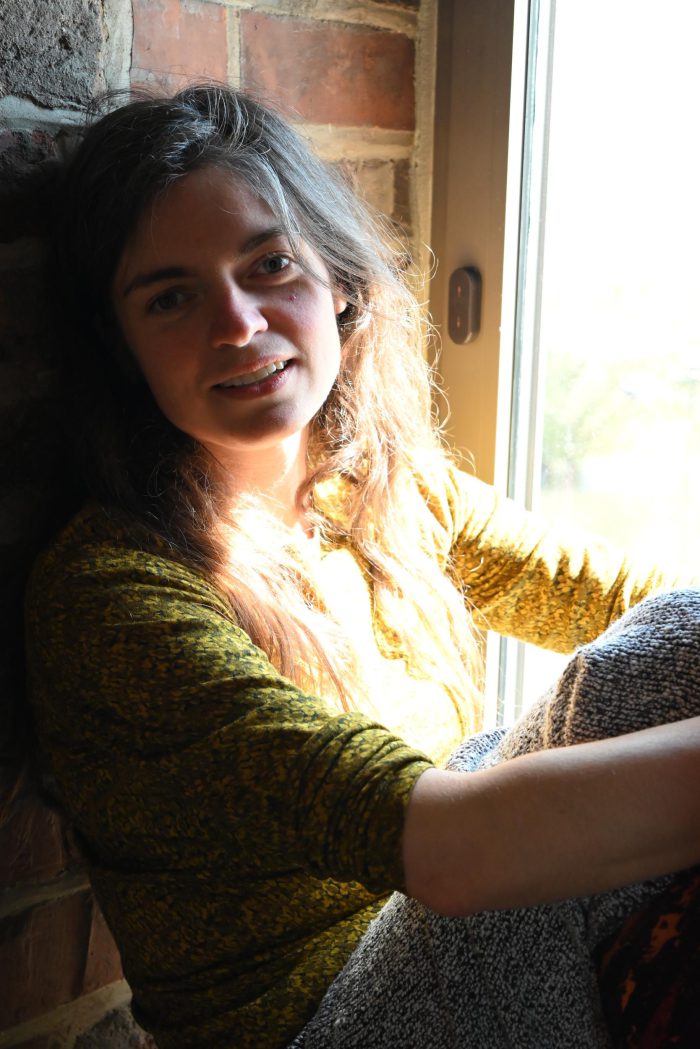
Agnieszka Piksa
Agnieszka Piksa
(born in Warsaw) – a graduate of the State Secondary School of Fine Arts in Bydgoszcz and the Faculty of Graphic Arts at the Academy of Fine Arts in Kraków, where she defended a diploma exploring collecting and confabulation in Joanna Kaiser’s studio. She is the author of comics and zines. Among her published works are Nieznany Geniusz (script: Mikołaj Tkacz, Centrala), Wzory (Central Museum of Textiles), It’s Just the Spin of Inner Life (Fundação Bienal de São Paulo), Drift (Wilde Stiftung, Mönchengladbach), Instructions for a Protester (Framer Framed, Amsterdam), the diptych Na planecie, and – as editor – Są pniaki, krzaki i ptaki (Dom Utopii / Lotny Dom Wydawniczy). She also works in illustration and VJing. Since 2021, she has been affiliated with the Drawing Studio at the Faculty of Intermedia, Academy of Fine Arts in Kraków. She lives in Kraków and in the Tuchola Forest.
Piksa participated in the Pracownia Dzielnica program, organised by BGSW in the Podgrodzie district of Słupsk.
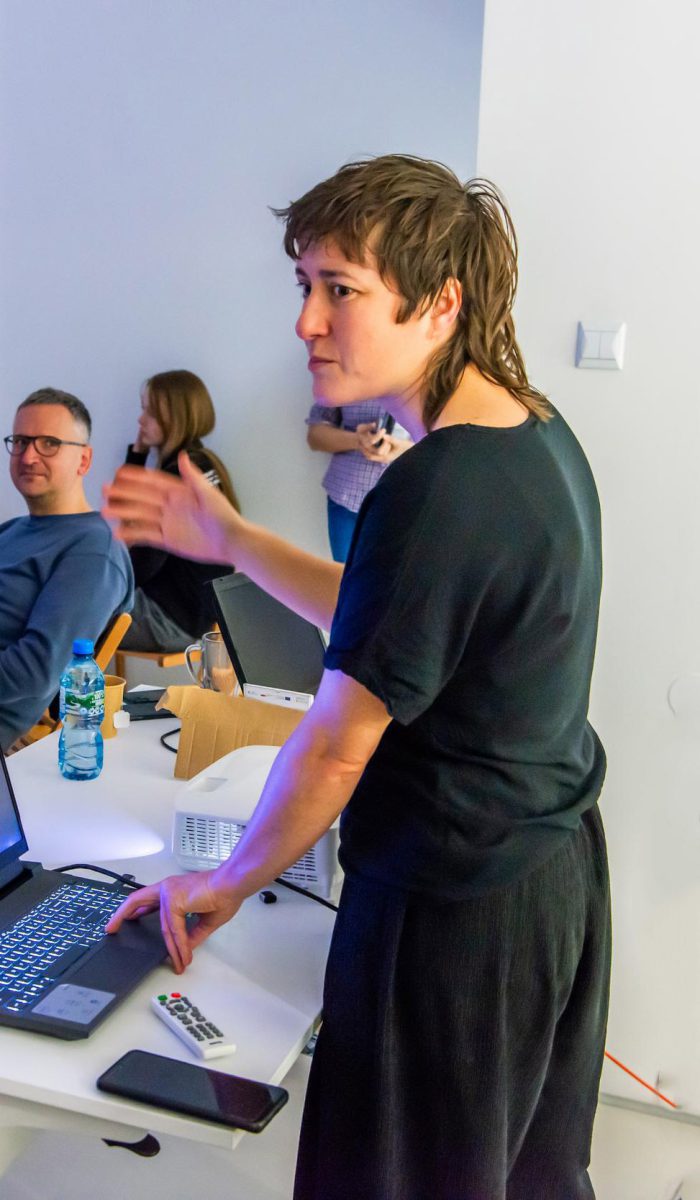
Amol K Patil
Amol K Patil
(b. 1987, Bombay, India) is an Indian visual artist whose practice focuses on themes of social exclusion, memory, and Dalit heritage. Drawing from his family history—including the work of his father, a playwright—and his experience growing up in a working-class neighbourhood of Bombay, he creates works that combine drawing, installation, video, and sound. His poetic and political narratives, rooted in local context, carry universal resonance. He has exhibited his work at documenta 15 (Kassel, 2022), the Yokohama Triennale (2020), The Showroom (London), Centre Pompidou (Paris, 2017), Stedelijk Museum (Amsterdam, 2015), as well as at biennales in Pune and Dakar (2016). His solo exhibition Many Kilometres, Several Words was presented at theBaltic Gallery of Contemporary Art (2025).
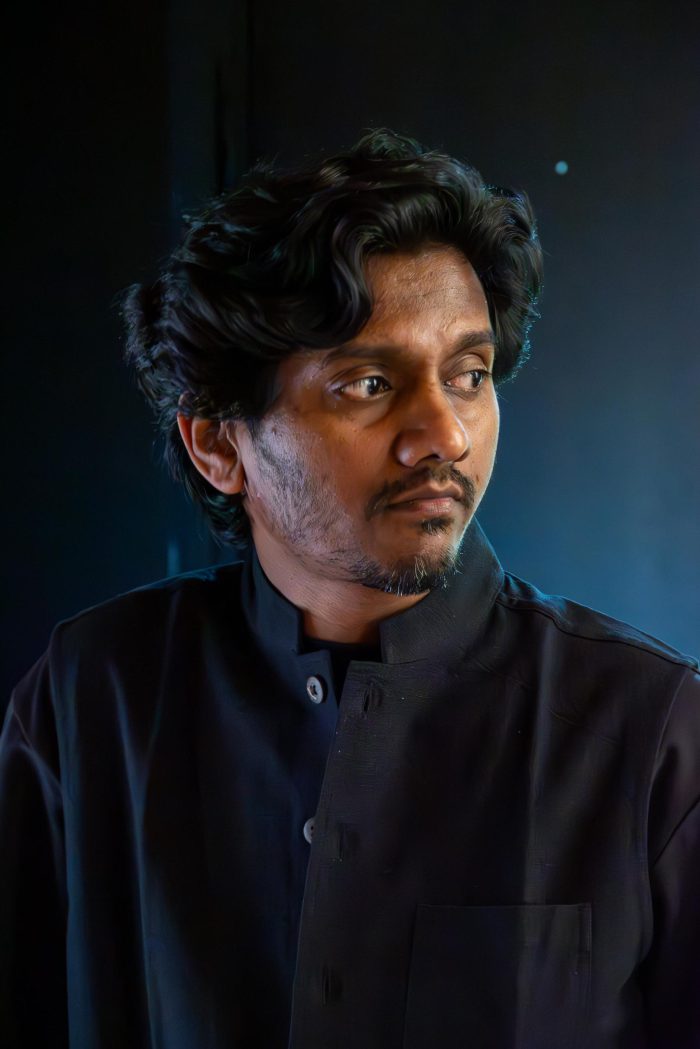
Angeline de Dios
Anjeline de Dios
(b. 1982) – a Filipino vocalist and scholar. Her multidisciplinary practice—which encompasses vocal improvisation, critical writing, and workshops—explores the role of the voice and its transcultural geography in relation to labour, art, care, and healing. Her work has been presented widely, including at the Universität für Musik und darstellende Kunst in Vienna (Austria), the ArtsEverywhere Festival (Canada), SAVVY Contemporary (Germany), Lingnan University (Hong Kong), Studio Plesungan (Indonesia), in the pages of Vogue Philippines, and at the Philippine Pavilion at the 60th Venice Biennale. She earned her bachelor’s and master’s degrees in philosophy at Ateneo de Manila University (Philippines) and Linköping University (Sweden), and received her PhD in geography from the National University of Singapore. She is a member of the editorial team of The Elgar Handbook on the Geographies of Creativity (Edward Elgar, 2020), and the author of Living Song, Living Labor, an ethnography of Filipino musicians living abroad.

Anna Niedhart
Anna Niedhart
creates painterly objects, drawings, and works in other techniques, both traditional and digital. She graduated from the Hochschule für Bildende Künste Braunschweig, where she earned a Master of Fine Arts degree. She is the founder and creative director of the design studio and gallery Rainbow Unicorn. Her works have been exhibited in Germany, Australia, and South Korea, among other places. Niedhart explores the psychological aspects of the digital age and its impact on human perception, social relations, and adaptive strategies in a rapidly changing world. Her fluid, translucent compositions—bearing visible traces of her artistic process such as brushstrokes, unexpected colour juxtapositions, and compositional aberrations—serve as a commentary on human fragility as it manifests in performative social roles. The figures she creates evoke mythological creatures or archaic animal portraits, carrying various symbolic and aesthetic functions. Complementing her paintings are objects made of ceramic, wood, and silk, which invite direct interaction, allowing viewers to place mask-sculptures onto their faces or other parts of their bodies. She completed an artist residency at the Baltic Gallery of Contemporary Art (2025). She lives and works in Berlin.
Aura Leguizamón
Aura Leguizamón
(b. 1996, Bogotá, Colombia) started developing a deep interest and love for the natural and exact sciences from childhood, which led her to study and graduate with a bachelor’s degree in chemistry. After a few years working in her area of expertise, Aura decided to emigrate to Poland. Currently she has been working and living in Poland, dedicating herself, among other things, to social work and cultural management with Latin American migrants in Polish territory.She participated in the Each Other programme at the Baltic Gallery of Contemporary Art in 2025.
Blanka Byrwa
Blanka Byrwa — designer and artist working at the intersection of art, science, and ecology. Trained as an interior architect, she ran the design studio BBAD for five years and is currently studying chemistry. She specializes in creating biomaterials from Baltic algae, and her project Glony (Algae) engages local communities in protecting the Baltic Sea, combining art with ecological education. She is the author and curator of exhibitions at Gdynia Design Days, including Glony (2022, 2023), Odpady (Waste, 2023), and Bioplastico? (2024). Her works have been presented at HANSEartWORKS (2024) and the Institute of Design in Kielce. She collaborates with the Academy of Fine Arts and the University of Gdańsk, leading workshops on biomaterials and circular design. As president of the CUMY Foundation, she co-created the Makerspace at the Gdańsk Shipyard, developing projects such as Projekt Stocznia and reTrylinka. She is also the co-founder of HUBA — an ecological education centre at 100cznia in Gdańsk. She took part in the exhibition Coalition of Waters at the Baltic Gallery of Contemporary Art (2025).
Chinemerem C. Ihuoma
Chinemerem C. Ihuoma, also called Chrys Moroko, is an Afro-fusion musician from Nigeria who combines highlife and soul to create sincere, relatable songs. Influenced by musicians such as Flavour Na-Abalia, the Oriental Brothers, and Davido. He began composing songs at the age of 20 and launched his first single, “Ojandu,” in 2022, followed by two additional singles named “Udo” and “Ihuoma” in 2024.
His music conveys messages of peace, strength, and identity. With an emotionally powerful voice, Chrys has presented at university showcases and concerts, earning a devoted fanbase. He is presently creating his new tracks, scheduled to release before the close of 2025.

Dobrawa Borkała
Dobrawa Borkała (b. 1990, New York) is a graduate of the National School of Fine Arts in Paris and Master of Clinical Psychology at the University of Humanities and Social Sciences in Warsaw. EMDR therapist (Eye Movement Desensitization Therapy, used to treat trauma). Instructor of the Buteyko breathing method and Yoga. Creates visual works and installations. Investigates breath in performance space, visual arts, therapeutic and symbolic recording. As part of her studies in Paris, she conducted research on plant perception as well. She took part in the exhibition Coalition of Waters at the Baltic Gallery of Contemporary Art (2025).
Elżbieta Kulka
Elżbieta Kulka artystka w swojej praktyce poświęca się przedstawianiu morza/ Jej malarstwo wyrasta z lokalnego doświadczenia – z wyjątkowej przestrzeni Morza Bałtyckiego. Artystka kreuje podwodne pejzaże, w których cisza niesie w sobie ciężar historii, a monotonne odcienie morza stają się językiem osobistego i zbiorowego imaginarium. W jej wizji Bałtyk jawi się jako przestrzeń naznaczona wojennymi traumami i ekologiczną degradacją, ale zarazem miejsce, w którym możliwe jest leczenie ran. Jest prezeską Pomorskiego Oddziału Stowarzyszenia Marynistów Polskich. Artystka mieszka w Ustce / Przewłoce.
Ewelina Figarska
Ewelina Figarska creates sculptural objects, experimental and prose writings, as well as broadcasts. Her work explores the intersections between the everyday and the uncanny, literature and visual art. She is also deeply engaged with the body and multisensory ways of processing reality. She materialises her texts through interdisciplinary means. A graduate of the Academy of Fine Arts in Łódź and a directing student at the Academy of Theatre Arts in Kraków (2022/23), she is the author of objects, exhibitions, and experimental texts. In 2024/25 she is teaching at the Guest Artistic Studio at the Faculty of Design, Academy of Fine Arts in Warsaw. Through her radio programme Cebula, she focuses on conversation as a creative method and organises open calls for voice and sound recordings. Within the collective Garaż, she co-explores spaces for notes, alternative communication, nothings, and useful non-utilities. She is the author of the book I Am a Little Fruit Fly, I Came to Look at You (słowo/obraz terytoria, 2025).
Ewelina Jarosz
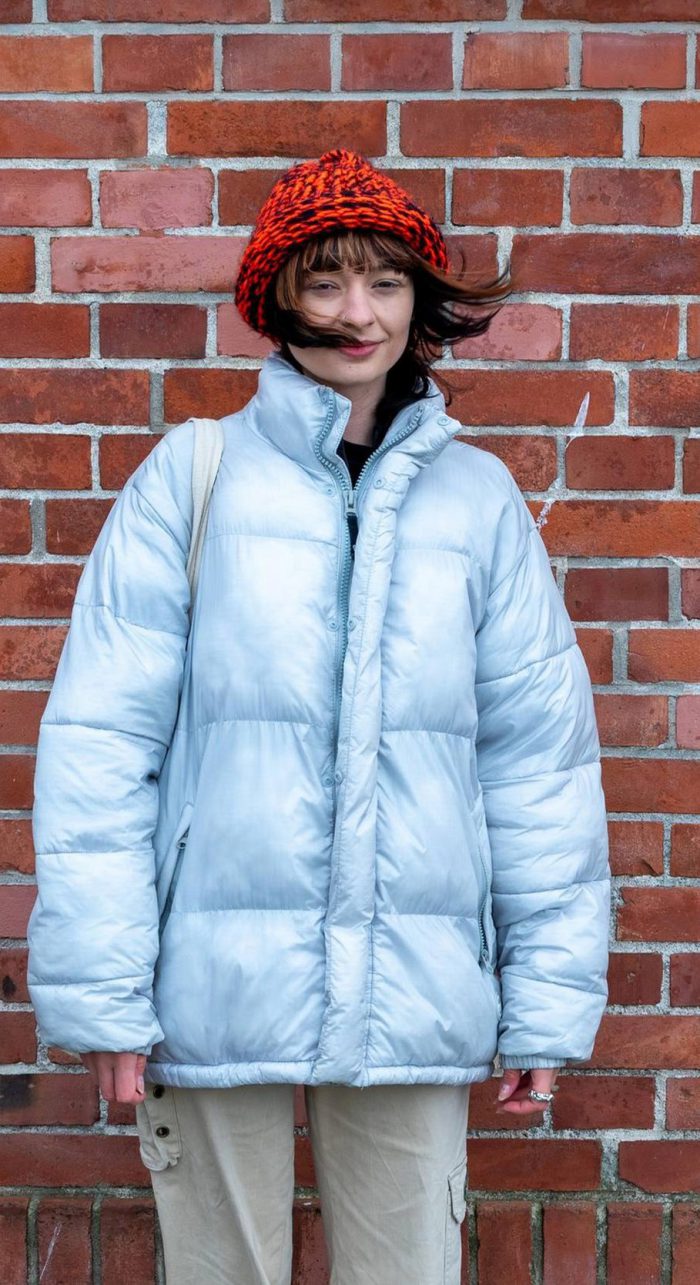
Ewelina Jarosz (she/they) — Assistant Professor at the Department of Media and Cultural Studies at UKEN and an artist engaged in water-related projects. Her current research interests lie at the intersection of environmental art and queer-feminist blue posthumanities. Their writing explores topics such as environmental art, blue media, hydrofeminism, and the activism of pleasure. A two-time recipient of the Kościuszko Foundation Fellowship. She collaborates with the E.A.R.T.H. Lab at the University of California, Santa Cruz, and The Posthumanities Hub at Linköping University in Sweden. Member of the artistic-research duo cyber_nymphs. Co-founder of the Blue Humanities Archive. Member of AICA. She completed an artist residency at the Baltic Gallery of Contemporary Art and took part in the exhibition Coalition of Waters (2025).
Gosia Golińska
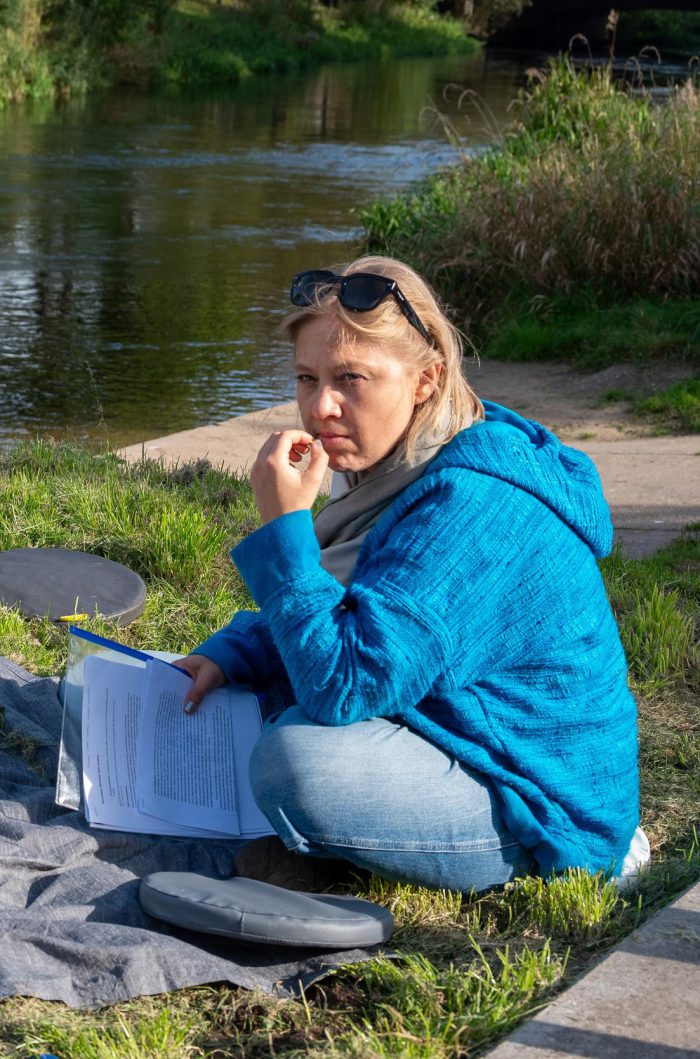
Gosia Golińska — graphic artist, set designer, designer, and curator. From 1984 to 1989, she studied at the State Higher School of Fine Arts in Gdańsk, training in the Graphic Design studio led by Cyprian Kościelniak, Mieczysław Wasilewski, and Witold Janowski. She obtained her diploma from the Faculty of Painting and Graphics of her home university in 1989. She works professionally and collaborates with many institutions, such as the State Gallery of Art in Sopot, the Gdańsk City Gallery, the gallery Od Czasu do Czasu in Gdynia, the Łódź Design Festival, and the Baltic Artistic Agency BART. Since 2010, she has run an open studio at 3 Maja Street 34 in Sopot, where she organizes meetings and presentations. She has been a scholarship holder at the Hochschule für Künste in Bremen, the Ministry of Culture and Art, the President of the City of Sopot, and the Marshal of the Pomeranian Voivodeship. She took part in the exhibition Coalition of Waters at the Baltic Gallery of Contemporary Art (2025).
Grupa ŁONO
Grupa ŁONO (Marcelina Amelia and Marta Borkowska) is an artistic duo founded in 2021. Their practice combines visual art with community-based approaches, exploring corporeality, emotions, and the human relationship with nature. The artists first met years earlier at the Secondary School of Fine Arts in Częstochowa, before each followed a different path. Marta Borkowska studied at the Academy of Fine Arts in Wrocław, where she earned her degree in glass design in 2012, while Marcelina Amelia emigrated to the UK to study visual communication and illustration at the University of Westminster in London. Their works have been shown at the Wrocław Contemporary Museum, Cracow Gallery Weekend, and Copeland Gallery in London. The collective’s practice weaves between Wrocław and Brighton. Alongside their collaboration, they continue to develop individual practices.
Marcelina Amelia creates paintings and illustrations that have been exhibited internationally, from New York to Milan, and featured in publications such as The New York Times and Art Maze. She is an artist-in-residence at Phoenix Art Space and a member of the collective Rethinking Eastern Europe.
Marta Borkowska works primarily with drawing and textile art, exploring psychological portraiture, memory, and ritual. Her practice balances between art and design. She co-curated the Manuba collection Ritual during Gdynia Design Days 2024 and is also active as an art educator.
Honorata Martin
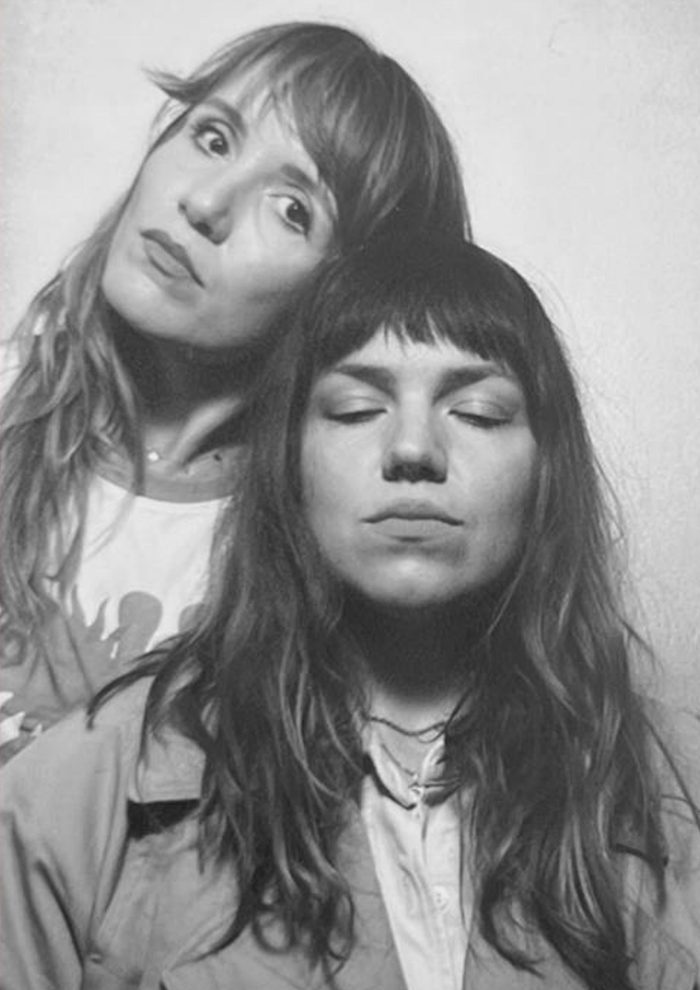
Honorata Martin — is a multimedia artist, performer, painter, and photographer. From 2004 to 2009, she studied at the Faculty of Painting at the Academy of Fine Arts in Gdańsk, earning her diploma in the studio of Professor Mieczysław Olszewski, with an annex in Intermedia under Professor Wojciech Zamiara. Since 2013, she has worked at the Faculty of Sculpture and Intermedia at her alma mater. She practices performance art, creates actions and video works, and produces sculptures and installations. One of Martin’s main principles is direct experience and stepping beyond the institutional system. The artist is interested in overcoming her own fears and limitations, both physical and mental. Equally important to her is the experience of interpersonal relationships, hospitality, as well as solitude. Honorata Martin’s works have been presented in numerous solo and group exhibitions, and she is a recipient of many awards. She took part in the plein-air M jak Morze as part of the exhibition Coalition of Waters at the Baltic Gallery of Contemporary Art (2025).
Hyerim Han
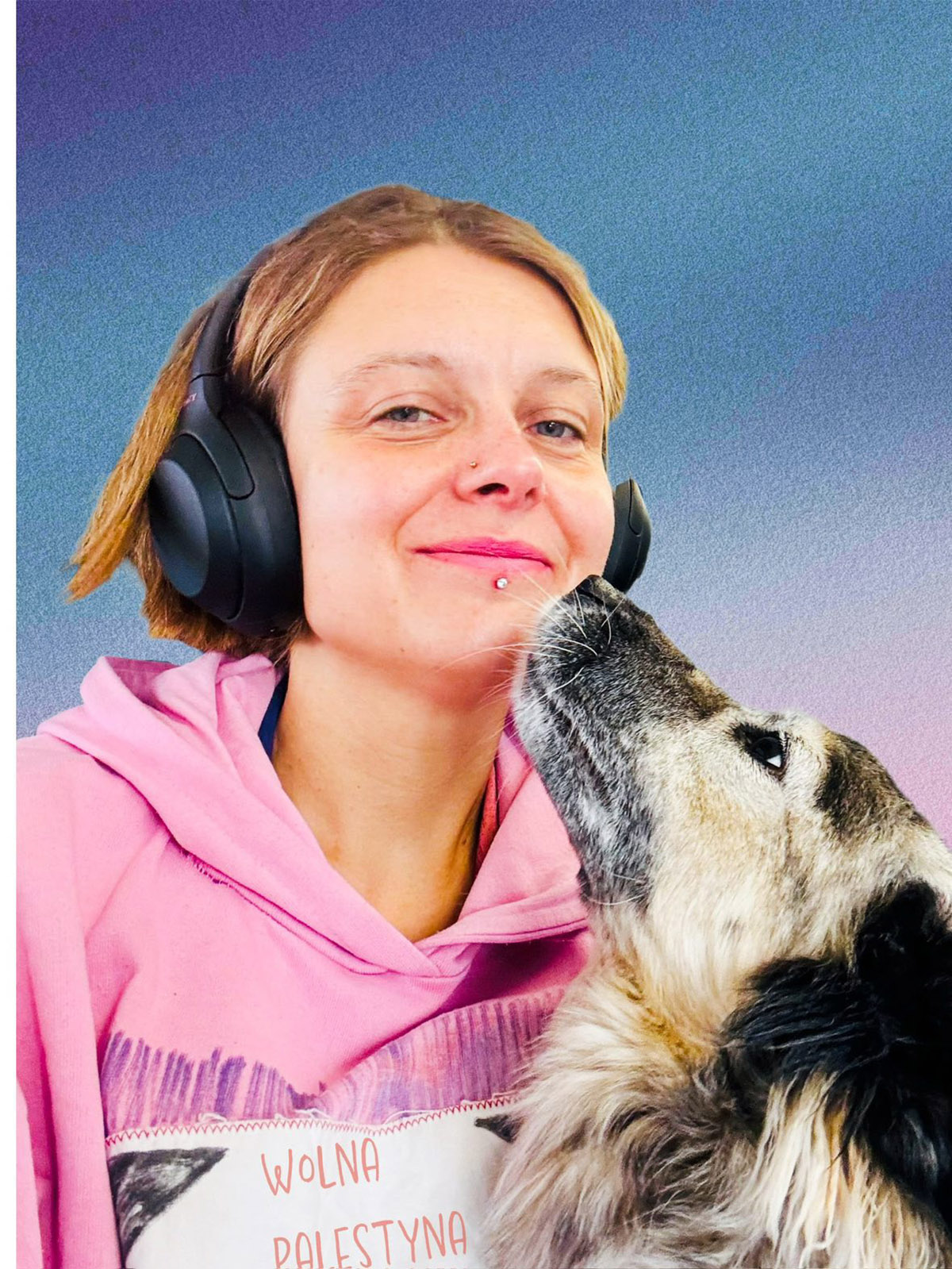
Hyerim Han — is a visual artist working with film, installation, drawing, and research-based projects. She graduated in Fine Arts from the Seoul National University of Science and Technology. In her practice, she focuses on everyday stories and myths that speak about social and interspecies relations. Her works often explore the experiences and perspectives of older people, addressing issues of labor, the body, social norms, and gestures of care and survival. She has participated in exhibitions at Sogeumnaru SmallArtMuseum in Ulsan (2025), Gyeongnam Art Museum in Changwon, Seo:ro Art Space in Seoul, and Yunsul Art Museum in Gimhae. She completed an artist residency at the Baltic Gallery of Contemporary Art and took part in the exhibition Coalition of Waters (2025). She lives and works in Changwon.
Kama Sokolnicka
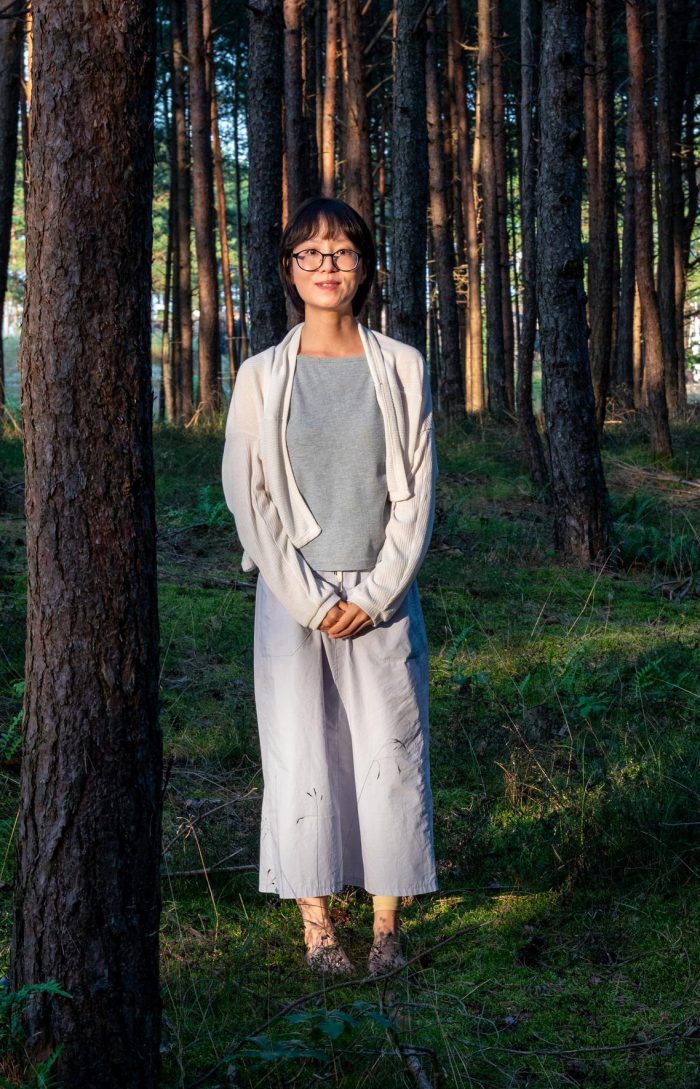
Kama Sokolnicka (ur. 1978) – an artist whose practice, rooted in drawing, is based on montage understood as a conceptual process. She focuses on the movement of thought and on what unfolds between sender and receiver. Her visual compositions, defined by formal simplicity, are shaped by the interaction of materials with their surroundings, with time, and with context. Though silent, her works often address the act of listening, with perception and cognitive mechanisms serving as the source of her artistic inquiry. She has presented numerous solo and group exhibitions in Poland and abroad. She has taught at the Academy of Art in Szczecin and at Bauhaus Universität in Weimar, and currently lectures at HAW in Hamburg. She is also active in the field of print design. Twice a recipient of a Ministry of Culture grant, she has also been awarded scholarships from the Adam Mickiewicz Institute and the Polish Institute in New York (Art OMI, USA, 2013), the European Capital of Culture 2016 at Künstlerhaus Bethanien, as well as from the Mayor of Wrocław (2021).
Karina Marusińska
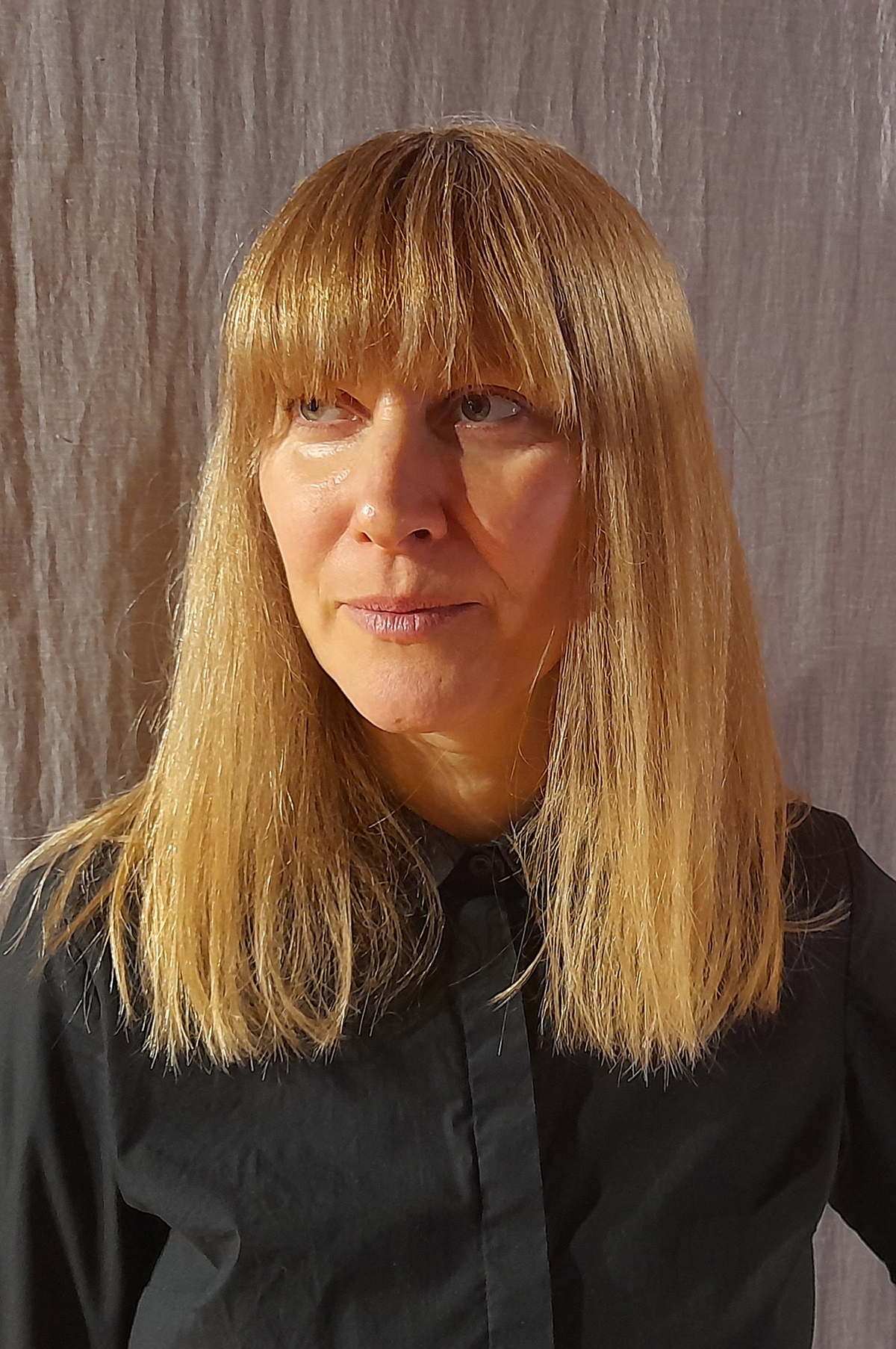
Karina Marusińska – an interdisciplinary artist and socio-cultural animator. Her practice focuses on cultural conditions, personal experiences, and interpersonal relationships. She collaborates with individuals and communities, encouraging them to share their stories. Using irony, she challenges patterns related to gender, exclusion, and the status of error. She graduated in Ceramic Design from the Academy of Fine Arts in Wrocław, where she currently works as an assistant professor with a habilitation degree at the Contextual Ceramics Studio. She is a member of the art-and-food collective Food Think Tank and the performance group Łuhuu, and co-founded the design group Wzorowo (2008–2024), dedicated to the social role of objects. A grantee of the Ministry of Culture and National Heritage and of the Marshal of the Lower Silesian Voivodeship, she has received awards including Talent Trójki, Warto, and make me!. She has participated in residency programmes, exhibitions, and festivals in Poland and abroad. Her works are held in the collections of the National Museum in Warsaw, Kraków, and Wrocław, as well as in private collections.
Karolina Bielawska
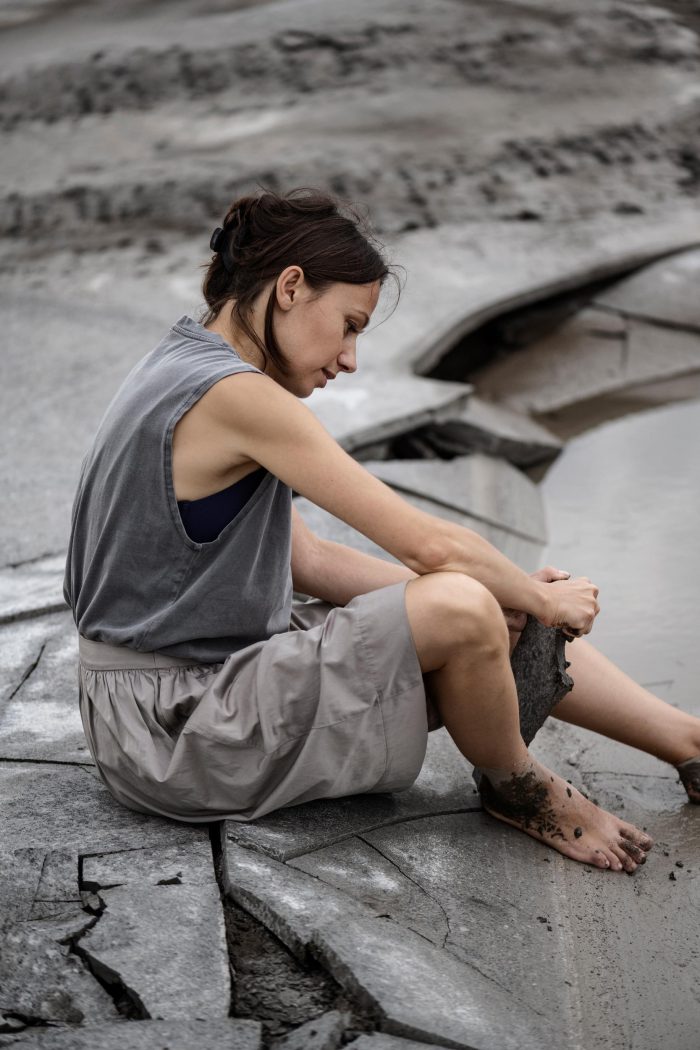
Karolina Bielawska – painter and graduate of the Academy of Fine Arts in Warsaw. The artist works with painting, which she combines with elements of sculpture. Her distinctive style revolves around a monochromatic palette complemented by carefully selected colours. She uses an abstract visual language to express specific experiences, tensions, and emotions. Her works enter into an intense dialogue with their surroundings, transcending the boundaries of painting towards architecture, sculpture, and installation. She was a finalist of the Hestia Artistic Journey competition (2015), a participant in the Biennale de La Biche – the smallest contemporary art biennale in the world (2017), and a finalist of the international STRABAG Artaward International (2021). She has received scholarships from the Polish Ministry of Culture and National Heritage (2017, 2020) and the Warsaw Śródmieście District (2023). She took part in the exhibition Coalition of Waters at the Baltic Gallery of Contemporary Art (2025). She lives and works in Warsaw.
Karolina Breguła
Karolina Breguła is a visual artist and academic, graduate of the National Film, Television and Theatre School in Łódź. She creates films, photographs, installations and artistic actions in the urban space, which are mainly focused on the influence of art on social and political reality. Her works have been shown in many places around the world, including the Venice Biennale, as well as in Singapore. She is the winner of the Views Deutsche Bank Foundation Award, the Samsung Art Master, the EMAF award, Golden Claw at the Gdynia Film Festival among others. She is an associate professor at the Academy of Art in Szczecin, she collaborates with lokal_30 Gallery. Since autumn 2023, together with Weronika Fibich, she has been running Lokatorne – Space for Antidisciplinary Activities. She took part in the exhibition Coalition of Waters at the Baltic Gallery of Contemporary Art (2025). She works between Poland and Taiwan.
Katerine Salazar Villamil
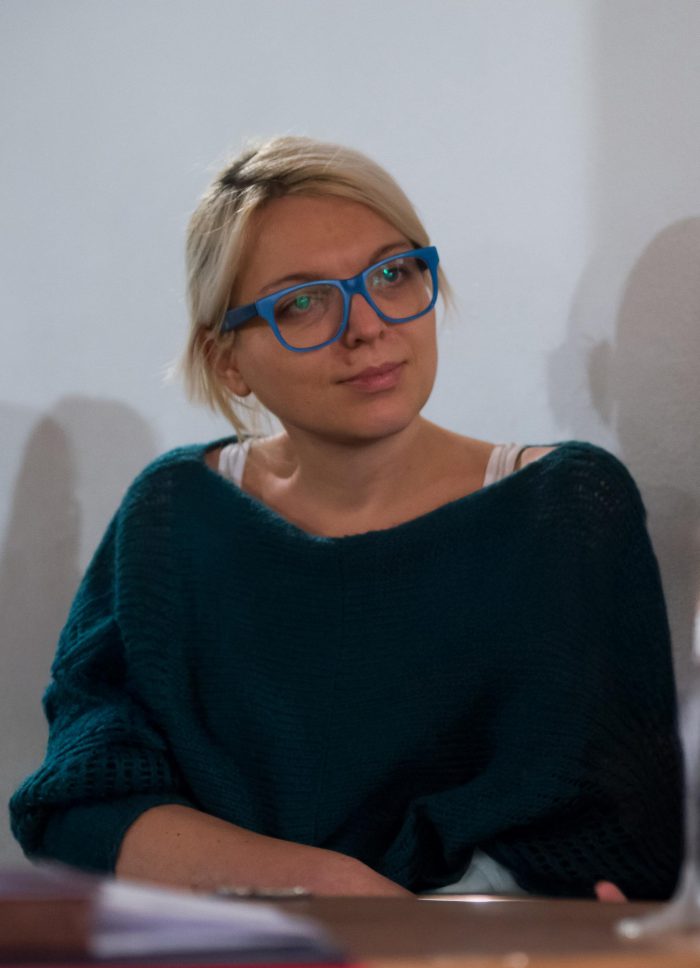
Katerine Salazar Villamil is a Colombian visual artist born in El Carmen de Bolívar, in the distinctive Montes de María region. Her practice engages with rituals, mysticism, and the aesthetic traditions rooted in the cultural imagination of Colombia’s Caribbean coast. Through both research and artistic processes, Salazar Villamil offers a sensitive and critical perspective on ancestral practices that have been stigmatised and excluded from mainstream circulation as less valuable. Her work seeks to restore their rightful place, emphasising their historical importance and their role in shaping the collective identity of the Caribbean. With a strong pedagogical vocation, she has carried out projects across different parts of the Colombian Caribbean, creating spaces of dialogue that enable the reinterpretation of these traditions from a contemporary perspective. Her practice encourages a deeper and more respectful appreciation of the region’s cultural heritage, adapting it to the language of contemporary art without losing its original essence.
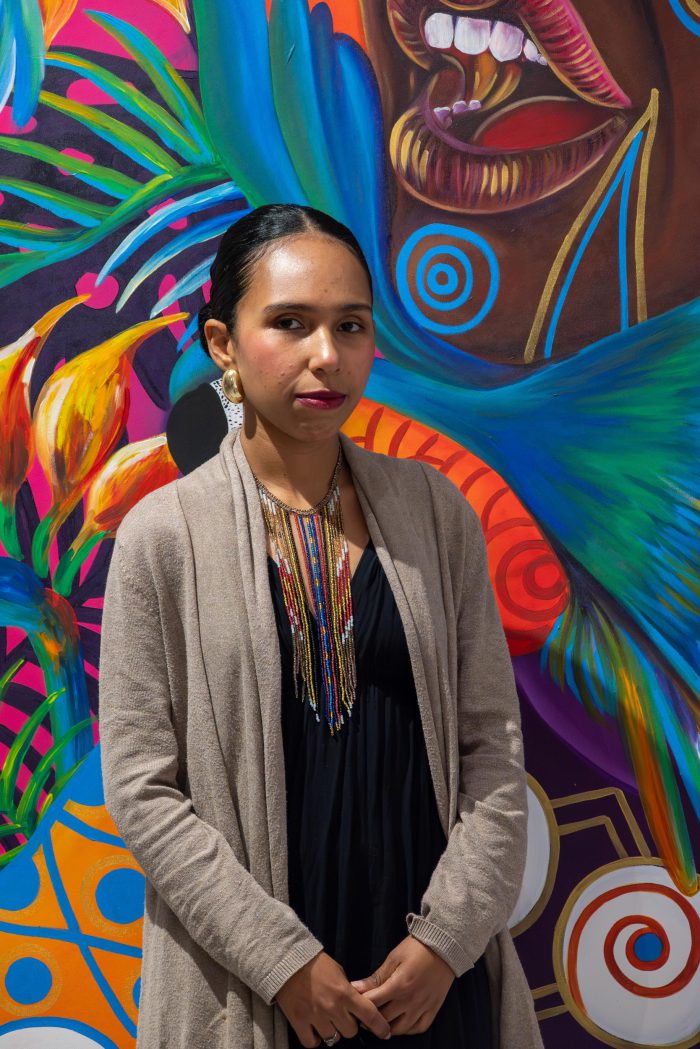
Kelly Krugman
Kelly Nayaase-Naxhiñaa’ Krugman is a Zapotec-Jewish/Mexican-American curator, cultural worker, and editor centered with SAVVY Contemporary: The Laboratory of Form-Ideas, in Berlin. Her practice moves through sound, spirit, storytelling, and collaboration, approaching curatorial work as a means of channeling embodied knowledge across temporalities and geographies. In partnership with artists and transdisciplinary makers, she tends to spaces of epistemic exchange and anti-hegemonic disobedience. Refusing the impositions of dominant history, their work dwells in diasporic in-betweens and liminal spaces —where relation is a method, unlearning a ground, and art a gesture of meaning-making to reimagine otherwise. They completed an artist residency at the Baltic Gallery of Contemporary Art and took part in the exhibition Coalition of Waters (2025).

Kinga Kiełczyńska
Kinga Kiełczyńska artist whose conceptual practice explores the intersection of humans and the environment. With a background in Spanish philology from Warsaw University and fine arts from the Gerrit Rietveld Academy and Sandberg Institute, Kiełczyńska uses video, text, drawing, and installation to delve into these themes. Having lived abroad for many years in Amsterdam and Berlin, her work—referred to as “environments” shifts between a collective and a deeply personal, metaphysical connection with nature. Kiełczyńska often exhibits in unconventional spaces—from nudist beaches to nightclubs and forests—challenging conventional art venues. Her 2009 “Reductionist Art Manifesto” questions art’s role in an age of overproduction, advocating for processes that reflect the efficiency and interconnectedness found in nature. Recent projects, including those centred on the Białowieża primeval forest, embody this commitment to ecological processes. She took part in the exhibition Coalition of Waters at the Baltic Gallery of Contemporary Art (2025). She lives and works in Warsaw.
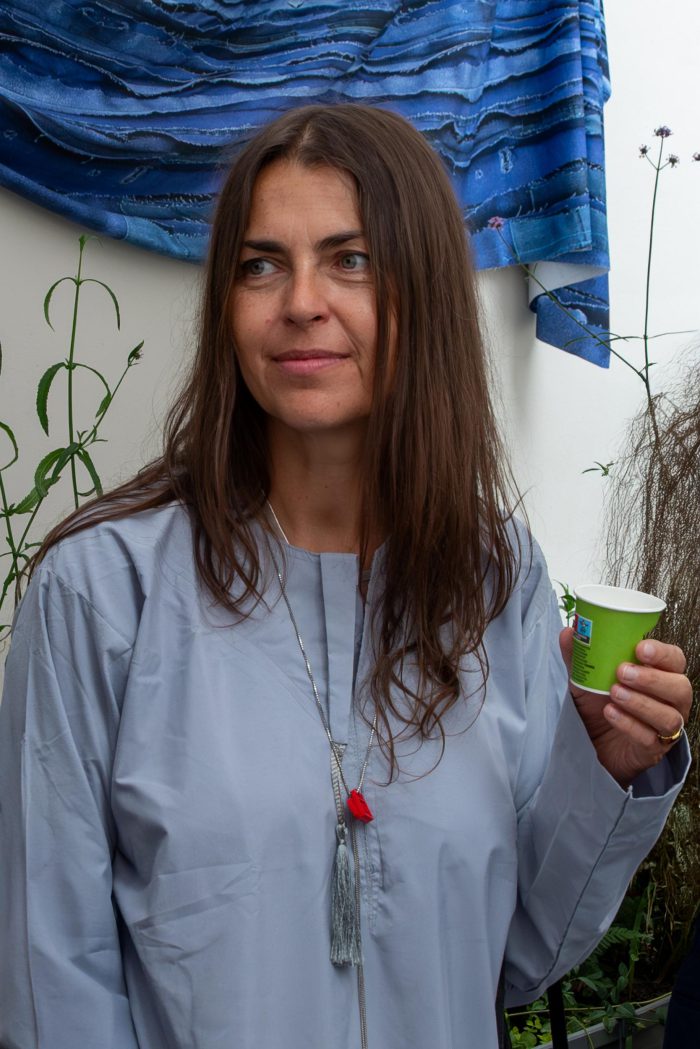
Ludomir Franczak
Ludomir Franczak (ur. 1974) – visual artist, theatre director, and curator. His works have been presented in galleries, theatres, public spaces, and festivals in Poland and internationally. He collaborates with musicians (Marcin Dymiter, Robert Curgenven, Robert Piotrowicz), visual artists (Magdalena Franczak, Sebastian Buczek), and theatres (Schaubude and TATWERK in Berlin, Cross Attic in Prague, Szwalnia in Łódź). He was also a member of the collective that created the Polish Pavilion at the Prague Quadrennial in 2023. Franczak’s practice addresses issues of memory, identity, and activism. Through intermedia actions, he develops complex projects that draw on both the visual arts and history or literature. He is also the author of artist books and sound recordings.
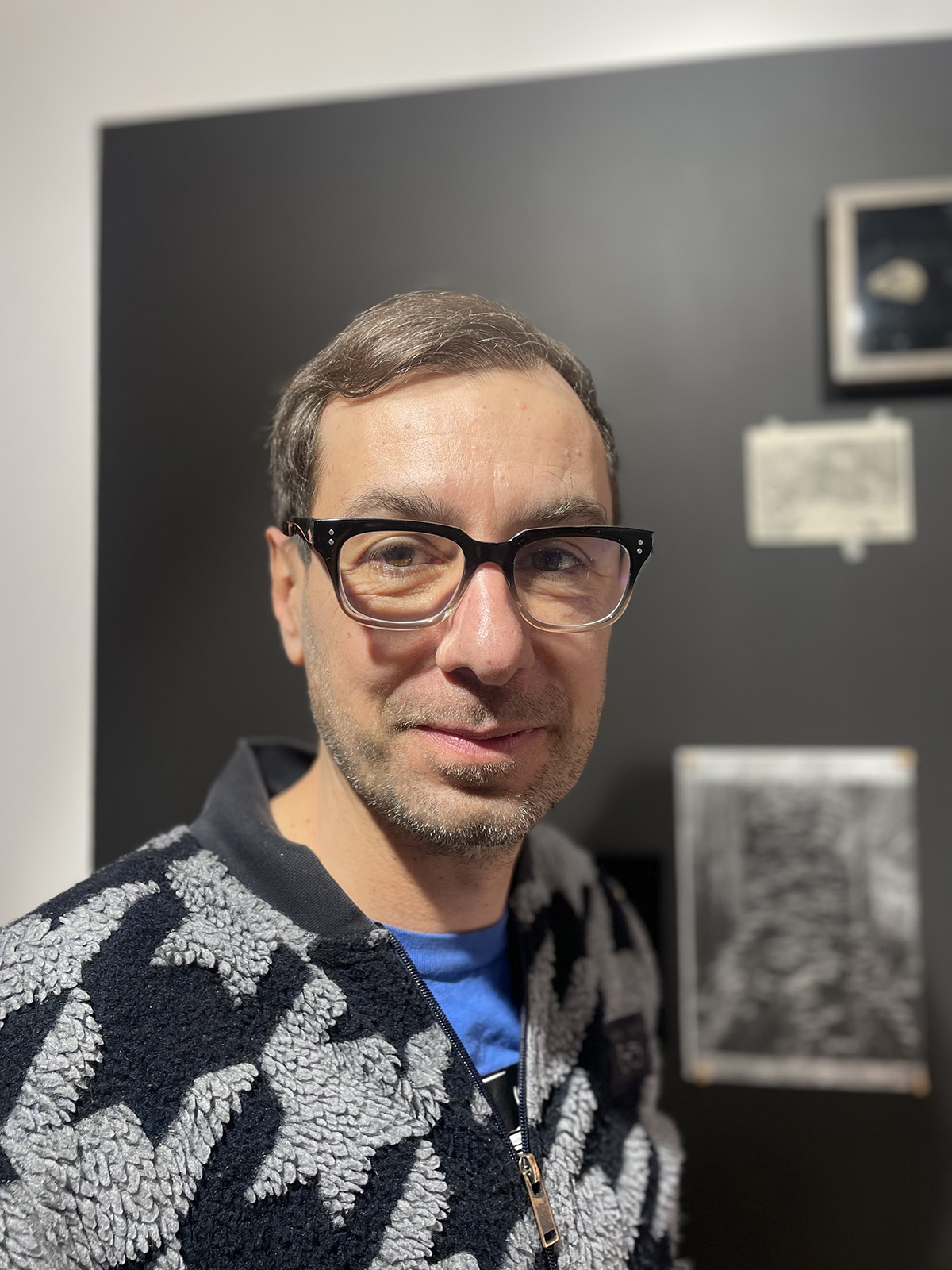
Magdalena Starska
Magdalena Starska (b. 1980, Poznań) is an artist working with drawing, installation, and performance. She graduated from the University of the Arts in Poznań and was a member of the artistic collective Penerstwo. Working across various media, she allows her sculptures and performances to merge and evolve, while her drawings resist being defined as autonomous works. She draws on materials from her immediate surroundings, using simple objects to affirm everyday gestures and sensations. Her practice often engages ephemeral phenomena such as flickering light or materials that change their physical state. Starska also creates subtle interventions in public space, discreetly involving passers-by in events unfolding between the private and the public. She participated in the Each Other and Dobro-Stan programmes at the Baltic Gallery of Contemporary Art in 2025. She lives and works in Poznań.
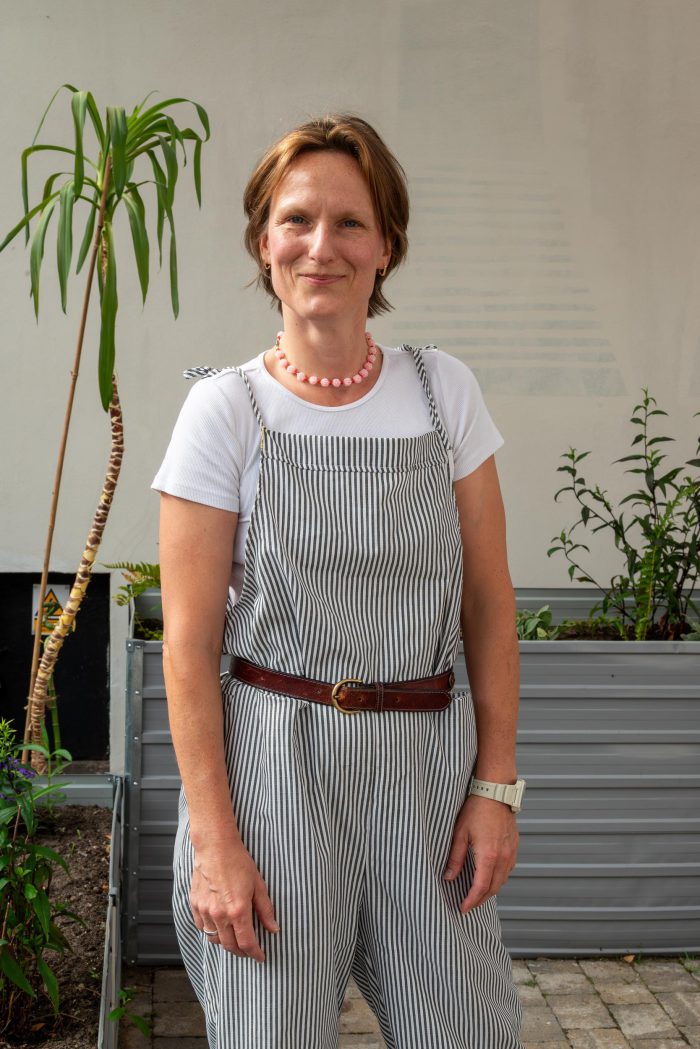
Manthia Diawara
Lorem ipsum dolor sit amet, consectetur adipiscing elit, sed do eiusmod tempor incididunt ut labore et dolore magna aliqua. Ut enim ad minim veniam, quis nostrud exercitation ullamco laboris nisi ut aliquip ex ea commodo consequat. Duis aute irure dolor in reprehenderit in voluptate velit esse cillum dolore eu fugiat nulla pariatur. Excepteur sint occaecat cupidatat non proident, sunt in culpa qui officia deserunt mollit anim id est laborum.
Marcin Dymiter
Marcin Dymiter works at the intersection of electronic music, field recording, and improvisation. He creates sound installations, radio plays, and music for films, theatre productions, exhibitions, and public spaces. He is the author of field recordings and the Field Notes project, and conducts sound workshops as well as activities introducing the concept of field recording. Dymiter performs in projects including emiter, niski szum, ZEMITER, PICA PICA, and other ephemeral formations. He is the author of the books Notatki z terenu (2021) and Maszyny do ciszy (2023), and was twice nominated (2022 and 2024) for the Gdynia Literary Award. He collaborates with Dwutygodnik, an online magazine on culture, and is a member of the Polish Electroacoustic Music Association.
Marta Kudelska
Marta Kudelska (vorn. 1987, Sosnowiec) – (b. 1987, Sosnowiec) is a curator and art critic. She graduated in Cultural Studies / Contemporary Culture (with a focus on Critical Theory of Contemporary Culture) and Art History from the Jagiellonian University in Kraków. In 2024, she received a PhD in the humanities in the discipline of art studies for her dissertation on the strategies and practices of young curators from Katowice and Kraków, which was awarded a distinction. In her curatorial and research practice, she focuses primarily on the relationship between contemporary art and the Romantic tradition, exploring artists’ engagement with themes of magic, horror, and esotericism—subjects she has addressed through exhibitions and critical essays. Since 2022, she has been developing Ernesta Thot, an art-research-based project investigating the influence of esotericism, horror, and magic on modern and contemporary artistic practice. Her interests also include curatorial strategies and practices, young art, as well as institutional critique and independent art initiatives. Between 2013 and 2014, she worked with the Museum in Gliwice and its Reading Room of Art (Czytelnia Sztuki). From 2014 to 2017, she served as Press Officer at Bunkier Sztuki Gallery of Contemporary Art, and between 2017 and 2020, she worked in the Education Department of the Museum of Kraków. She also collaborates with the Museum of Photography in Kraków and serves as Deputy Editor-in-Chief of the academic journal Zarządzanie w kulturze (Cultural Management). She works at the Department of Contemporary Culture at the Institute of Culture of the Jagiellonian University in Kraków. The solo exhibition Varnisher’s Villa by Zuzanna Kozłowska, curated by Kudelska, was presented at the Baltic Gallery of Contemporary Art in 2025.
Patryk Różycki
Patryk Różycki – visual artist, writer, and podcast creator. His work often engages with autobiographical themes, focusing on the social conditions linked to his background. His paintings address class mobility, economic exclusion, intimacy and loss, as well as repressed emotions such as shame and fear. Różycki graduated from the Faculty of Painting at the Academy of Fine Arts in Gdańsk in 2017. He currently lives in Warsaw, where in the summer semester of 2024/2025 he led the Guest Artistic Studio at the Faculty of Design, Academy of Fine Arts. He is the curator of four editions of the performance festival Kick-Off-Perfo and co-curator of the experimental film festival Baza. In 2024, he was nominated for the Polityka Paszports award in the Visual Arts category. His works have been presented at the Museum of Modern Art in Warsaw, Gdańsk City Gallery, Arsenał Gallery in Białystok, and the Polana Institute, which represents him. In 2025, his first solo exhibition in Austria was held, organised by the Polish Institute in Vienna.
Paweł Matyszewski
Paweł Matyszewski (b. 1984, Białystok) is a painter, author of objects and installations, and a gardener. He graduated from the Faculty of Painting at the University of the Arts in Poznań in 2009 under Professor Piotr C. Kowalski, and obtained his PhD in 2021 under the supervision of Dr Dominik Lejman at the same institution. His works have been presented in Poland, Austria, Belarus, the Czech Republic, Denmark, Estonia, France, Georgia, Spain, Lithuania, Germany, Serbia, Hungary, and the United Kingdom. He has been awarded scholarships from the National Centre for Culture (2014) and the Ministry of Culture and National Heritage (2012, 2024), and received numerous art prizes, including at the Painting Biennale Bielska Jesień (2009, 2012) and the Young Art Biennale Rybie Oko (2013, 2015). His practice explores the broad notion of marginal phenomena and behaviours situated at the intersection of culture and biology. He combines the language of realism and abstraction, painting and object. His solo exhibition With Sand in My Teeth was presented at the Baltic Gallery of Contemporary Art in 2025.

Piotr Wyrzykowski
Piotr Wyrzykowski alias Peter Style – is a Doctor of Arts, multimedia artist, performer, stage designer, and VJ who continually seeks new forms of artistic expression. He graduated from the Intermedia Studio “Pi” led by Professor Witosław Czerwonka at the State Higher School of Fine Arts (PWSSP) in Gdańsk. Wyrzykowski made his debut as a performer in 1990 at the Wyspa Gallery. Since the 1990s, he has been an active participant in shaping Gdańsk’s art scene, engaging in creative initiatives and community-based projects. He co-founded the Open Atelier, located in the building of the former municipal bathhouse (now the Łaźnia Centre for Contemporary Art). He served as Vice President of the Wyspa Progress Foundation and collaborated with the Sfinks Foundation, creating some of Poland’s first live visualizations for techno music. He is currently a member of the board of the Kolonia Artystów Foundation. Wyrzykowski is the author of the pioneering Polish internet artwork 44 (1999), based on Matejko’s portraits of Polish kings. As a creator of mobile applications and interactive installations, he engages in public space projects and directs multimedia performances and video works. He develops the theory of transformism in art, experimenting with the language of art and exploring the creative potential of contemporary communication media. His works—such as the video Beta Nassau (1993) in the collection of the Museum of Modern Art in New York and Atomic Love (with I. Chichkan, 2006) in the Musée National d’Art Moderne, Centre Georges Pompidou in Paris—attest to his significant presence on the international art scene. He took part in the exhibition Coalition of Waters at the Baltic Gallery of Contemporary Art (2025).
Radio Kapitał
Radio Kapitał to społeczność. W tym momencie tworzy ją ponad 300 osób. Jak sami piszą o sobie: „To także odpowiedź na potrzebę stworzenia niezależnej i niekomercyjnej przestrzeni ekspresji, oddolnego działania — nie dla zysku, lecz dla osobistej satysfakcji i społecznej korzyści.“ Radio wpisuje się w tradycję europejskich stacji radiowych, tzw. community radio. Są one platformą ekspresji dla lokalnych inicjatyw, platformą oddolną, niezależną i niehierarchiczną, a także animującą aktywność środowisk twórczych. Najbardziej znane radiostacje tego typu, które zainspirowały do stworzenia Radia Kapitał, to NTS Radio w Londynie, Noods Radio w Bristolu, Lyl Radio w Lyonie, Cashmere Radio w Berlinie, Quantica Radio w Lizbonie, Ida Radio w Tallinie, Punctum Radio w Pradze, Red Light Radio w Amsterdamie czy Lahmacun Radio w Budapeszcie.
Ranjit Kandalgaonkar
Ranjit Kandalgaonkar’s art practice primarily comprises a lens directed at the urban context of cities. His city-specific projects map vulnerability within redevelopment strategies of urbanisation, combative histories of reclamation/speculation or record timelines and blindspots -alternate markers of a city that’s unraveling. His works respond to research conducted on modes of philanthropy practiced within community-based trusts; a subaltern imagination of the Bombay plague of 1896; subsequent loss of flora/fauna in colonial Bombay; and a long-term project on latter day 20th century ship-breaking and invisible shipping infrastructures. They attempt to unlock trapped data through placing the work in the context of an unseen social history. Awards & fellowships include; Majlis Visual Arts fellowship, UDRI Architectural fellowship, The Leverhulme Trust Artist in Residence, The Wellcome Trust Seed award, SAI Harvard University Artist Residency and the Gasworks Artist residency. His work has been exhibited at UCL-Cities Methodologies, Bergen Assembly Art & Research Triennale, Melahuset/OCA Norway, Colomboscope, Warehouse421, the Wellcome Collection and other galleries locally and internationally. He completed an artist residency at the Baltic Gallery of Contemporary Art and took part in the exhibition Coalition of Waters (2025). He lives and works in Mumbai, India.
Reymar Reyes
Reymar Reyes Moncayo (b. 1997, Caracas, Venezuela) graduated in Social Communication and is interested in transmedia communication. A journalist, she specialises in topics related to economics, politics, human rights, and freedom of speech. She has collaborated with both social organisations and private companies, designing and implementing marketing strategies. In 2023, she emigrated to Poland and, after a brief period working in the manufacturing industry, she now collaborates with professionals offering legalisation advice for foreigners. She currently works as a Spanish language teacher while learning Polish and English.
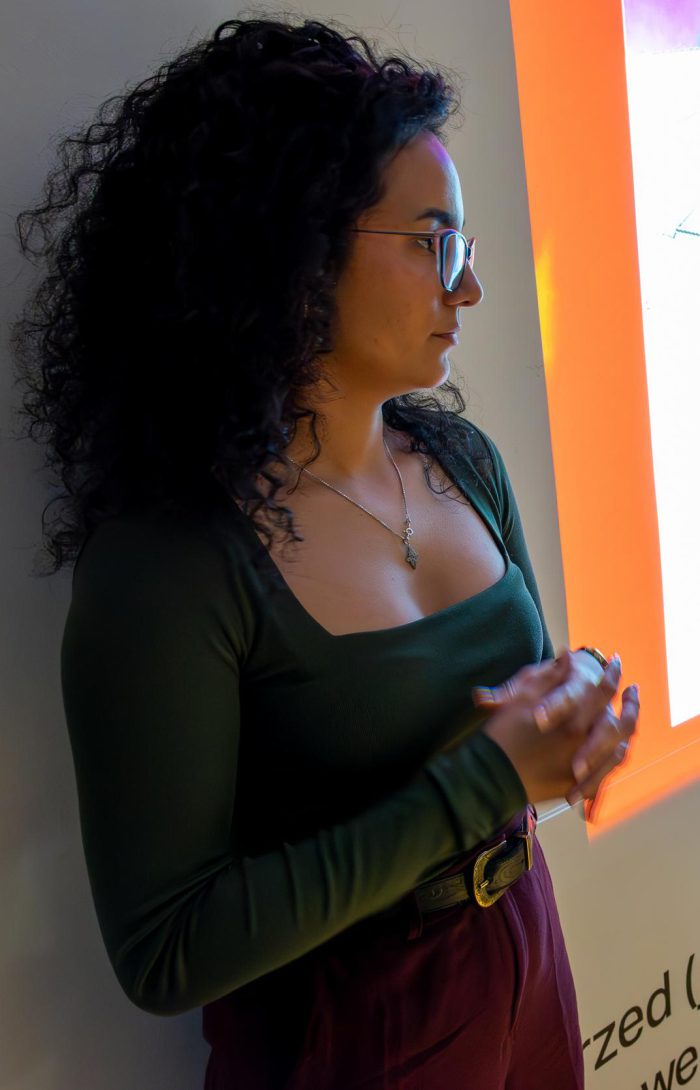
Rupali Patil
Rupali Patil completed her Bachelor’s in Fine Arts from Bharti Vidyapeeth Pune in 2007 and a Master’s in Printmaking from Maharaja Sayajirao University of Baroda in 2011. She is a member of the “Clark House Initiative” in Mumbai, where her debut solo exhibition titled “Everybody Drinks but Nobody Cries” was hosted in 2014. Rupali’s visual arts practice spans printmaking, drawing, and installations, with her subjects primarily focusing on social issues, especially water and natural mineral crises through the framework of eco- feminine. Her works have been showcased at various Biennales, including the 3rd Industrial Art Biennial in Croatia in 2020, Pune Biennale in 2017, and the 14th Istanbul Biennale in 2015. Additionally, she has participated in numerous group exhibitions such as “Eros” at Parasite in Hong Kong (2014), “Inserts” curated by RAQS Media Collective at IGNCA, Delhi (2014), “Kamarado” at Stedelijk Museum, Amsterdam in 2015, “Harbinger of Chaos” at Bunkier Sztuki Gallery of Contemporary Art in Krakow (2016/2017), “Dreams & Dramas. Law as Literature” at nGbK, Berlin (2017), “We, the People” at Central Slovakian Gallery, Banska Bystrica (2018), “This Rare Earth Artefact” at STUK, Leuven (2018), “Seeds Are Being Sown” at Shrine Empire (2020), and “Planet, People, Care: It Spells Degrowth!” curated by Ana Devič at HDLU, Zagreb (2023). She took part in the exhibition Coalition of Waters at the Baltic Gallery of Contemporary Art (2025). Rupali lives and works in Pune, India.
Yulia Krivich
Yulia Krivich — artystka i fotografka pochodząca z Dniepru w Ukrainie. Ukończyła Akademię Architektury w rodzinnym mieście oraz Akademię Sztuk Pięknych w Warszawie. W swojej praktyce artystycznej porusza kwestie tożsamości, wykorzystuje elementy aktywizmu w połączeniu z własnymi doświadczeniami. Zainteresowania artystki oscylują wokół tematów migracji oraz kwestii związanych z Europą Wschodnią. Laureatka sekcji ShowOFF podczas Krakowskiego Miesiąca Fotografii (2015), uczestniczka wydarzenia Pla(t)form w Muzeum Fotografii w Winterthur w Szwajcarii (2018), nominowana do nagrody Pinchuk Art Center w Kijowie (2018), stypendystka miasta Warszawa (2021), uczestniczka WHW Akademija w Zagrzebiu (2021) oraz Futures Platform w Amsterdamie (2021). Współzałożycielka Solidarnościowego Domu Kultury “Słonecznik” w Muzeum Sztuki Nowoczesnej w Warszawie, a także członkini Soniakh Digest, platformy cyfrowej, która bada obecną wojnę informacyjną i współczesną geopolitykę z perspektywy Europy Środkowo-Wschodniej. Odbyła rezydencję artystyczną w Bałtyckiej Galerii Sztuki Współczesnej i brała udział w wystawie Koalicje wody (2025). Mieszka i pracuje w Warszawie.
Zuzanna Kozłowska
Zuzanna Kozłowska (ur. 1997, Olsztyn) — artystka wizualna, której praktyka osadzona jest w obszarze grafiki warsztatowej, obiektów przestrzennych i instalacji. Absolwentka Pracowni Litografii na Wydziale Grafiki oraz Pracowni Poetyki dr. Wojciecha Bąkowskiego na Wydziale Sztuki Mediów Akademii Sztuk Pięknych w Warszawie. W swojej twórczości bada poetyckie i narracyjne wymiary przedmiotów codziennego użytku, wnętrz i przestrzeni architektonicznych. Interesuje ją transformacja materiałów i relacje przestrzenne – często pracuje ze znalezionymi elementami przemysłowymi i surowymi materiałami, które włącza do wielowarstwowych kompozycji. Ślady obecne w obiektach i strukturach traktuje jako punkt wyjścia do rekontekstualizacji ich historii i budowania nowych znaczeń. Grafika warsztatowa jest dla niej zarówno medium, jak i narzędziem konceptualnym pozwalającym kwestionować zagadnienia reprodukcji, czasowości i interwencji w przestrzeń. Jest współzałożycielką Lure.9701 – nomadycznego, artystycznego projektu wystawienniczego. Obecnie uczestniczy w programie Anne Marie Carl-Nielsen dla sztuki w przestrzeni publicznej (2024/2025), prowadzonym przez Marie Lund i Francescę Astesani. Laureatka Inicjatywy Entry 2024 oraz Grand Prix Biennale Młodych „Rybie Oko” 2024. Jej indywidualna wystawa Willa lakiernika była prezentowana w Bałtyckiej Galerii Sztuki Współczesnej (2025). Mieszka i pracuje w Kopenhadze.